

















What Are Probiotics? Benefits, How They Work, and Signs You Need Them

Key takeaways:
- Probiotics are live bacteria and yeasts that support gut balance, immunity, and mood — but they work while passing through your system, not by permanently colonizing your gut.
- The most-studied strains belong to the Lactobacillus and Bifidobacterium genera; strain and CFU count matter more than brand name.
- Most healthy people can take probiotics safely; those with compromised immune systems or serious illness should consult a doctor first.
Your gut contains roughly 38 trillion bacterial cells — more than the number of human cells in your entire body. These microorganisms are not passengers. They digest food, produce vitamins, regulate immunity, and influence your mood. Probiotics are live microorganisms that, when consumed in adequate amounts, actively support this system.
This guide covers what probiotics are, how they work at the cellular level, what the current evidence says they can help with, and the signs that your gut microbiome may be out of balance. If you have persistent digestive or mood symptoms, consult a healthcare provider — these can have multiple causes beyond gut flora imbalance.
What Are Probiotics? (The Short Answer)
The official definition from the World Health Organization: probiotics are "live microorganisms that, when administered in adequate amounts, confer a health benefit on the host." That definition, established in 2001, remains the scientific standard.
Most probiotics are bacteria, but one important category — Saccharomyces boulardii — is a yeast. Both bacteria-based and yeast-based probiotics are studied for gut health applications, with different strengths.
Natural food sources include:
- Yogurt (live active cultures)
- Kefir
- Kimchi and sauerkraut
- Miso and tempeh
- Kombucha
Supplements deliver a standardized dose in capsule, powder, or liquid form. When a specific CFU count or strain matters — as it does for post-antibiotic recovery or IBS relief — supplements are more reliable than food sources, which vary widely by brand and preparation.
Per the NIH Office of Dietary Supplements, the evidence for probiotics varies significantly by strain and condition — which is why matching the right strain to your goal matters more than choosing a product by brand alone.
Probiotics vs. Prebiotics vs. Postbiotics — What's the Difference?
These three terms are often confused:
- Probiotics: Live microorganisms that confer a health benefit
- Prebiotics: Dietary fibers (inulin, FOS, pectin) that feed probiotic bacteria — think of them as fertilizer for your gut flora
- Postbiotics: The beneficial byproducts produced when probiotic bacteria ferment prebiotics — short-chain fatty acids, bacteriocins, and other compounds that have their own health effects
You need all three working together. Taking probiotics without dietary fiber limits how effectively those bacteria can establish and function.
How the Gut Microbiome Works
The gut microbiome is a community of 500–1,000+ microbial species living in your gastrointestinal tract. Diversity is the hallmark of a healthy microbiome — more species means greater resilience and functional range.
What does the microbiome actually do?
- Breaks down dietary fiber and complex carbohydrates
- Synthesizes vitamins, including B12 and K2
- Regulates immune responses via gut-associated lymphoid tissue (GALT)
- Produces neurotransmitter precursors, including serotonin
- Maintains the intestinal barrier that prevents harmful particles from entering the bloodstream
Dysbiosis is the term for microbiome imbalance — when harmful bacteria outnumber or outcompete beneficial ones. Dysbiosis can develop from antibiotics, a diet high in processed foods, chronic stress, illness, or simply aging. It underlies many of the digestive and systemic symptoms described later in this article.
How Do Probiotics Work? (3 Core Mechanisms)

Understanding the mechanism helps explain why consistent daily use — rather than occasional doses — is the right approach. Probiotics work through three primary pathways, with a fourth emerging area in immune regulation.
- Competitive exclusion: Probiotic bacteria physically compete with pathogens for colonization sites on the gut epithelium. By occupying those sites, they limit harmful bacteria's ability to establish. This is one reason strain diversity matters — different strains target different attachment points.
- Antimicrobial production: Probiotics produce bacteriocins, lactic acid, and hydrogen peroxide — compounds that create a chemical environment hostile to pathogens. This is distinct from antibiotic action (which kills bacteria indiscriminately); probiotics selectively suppress harmful species while leaving beneficial ones intact.
- Barrier reinforcement: Probiotics stimulate mucin production and strengthen the tight junction proteins that hold gut epithelial cells together. This reduces intestinal permeability — the mechanism behind what's sometimes called "leaky gut." A stronger barrier means fewer undigested food particles and microbial byproducts crossing into the bloodstream.
A fourth mechanism — immune modulation — involves direct interaction with gut-associated lymphoid tissue (GALT). Probiotics regulate toll-like receptor (TLR) activation, which modulates the inflammatory cytokine response. This is how gut bacteria influence systemic immunity, not just local digestive function. A 2013 review in PMC (Hemarajata & Versalovic) outlined these mechanisms in detail.
An important honest reframe: Most probiotic strains are transient — they do not permanently colonize your gut. They provide benefits while passing through, which is why stopping daily use typically sees gut composition drift back within weeks. This is not a limitation unique to supplements; the same is true of probiotic-rich foods.
The gut-brain connection adds another layer: approximately 90% of the body's serotonin is produced in the gut. Probiotics influence serotonin synthesis enzymes and communicate with the brain via the vagus nerve — which explains why gut dysbiosis can affect mood and cognition, not just digestion.
Evidence Star Ratings — What Do Probiotics Actually Help With?
Probiotics have been studied for dozens of conditions. The evidence quality varies widely. Here is what the current research actually supports.
Evidence rating key: ★★★ = multiple high-quality RCTs with consistent results | ★★☆ = solid evidence with some caveats | ★☆☆ = emerging evidence, shows promise but needs more research
Digestive Health (Diarrhea, IBS, Antibiotic Recovery) ★★★
Digestive support is the strongest area of probiotic evidence, backed by multiple Cochrane reviews and meta-analyses.
- Antibiotic-associated diarrhea: Lactobacillus rhamnosus GG and Saccharomyces boulardii are the most rigorously studied strains, with consistent evidence across multiple trials.
- IBS symptom relief: A 2024 umbrella meta-analysis (PMC12183855) found probiotics significantly reduced risk of diarrhea (RR 0.44), bloating (RR 0.74), and epigastric pain (RR 0.71) compared to placebo.
- C. difficile recurrence: Both S. boulardii and L. rhamnosus GG reduce recurrence risk in clinical studies.
Timing note: When taking antibiotics, take your probiotic at least 2–3 hours after the antibiotic dose — not at the same time. Continue for 1–2 weeks after finishing the antibiotic course.
Immune System Support ★★★
The immune connection is direct: 70–80% of the immune system is located in gut-associated lymphoid tissue (GALT), making gut flora composition a primary driver of immune function.
Research shows probiotics reduce the duration and frequency of upper respiratory tract infections. The mechanism involves TLR modulation — probiotics dampen pro-inflammatory cytokine responses, preventing overreaction. A 2021 review (PMC8512487) detailed how specific strains regulate microbiota composition to improve immune outcomes.
An important clarification: probiotics do not "boost" immunity in a non-specific way. The effect is regulation, not amplification — a meaningful distinction for how you should think about the benefit.
For a deeper look at how probiotics support immune function, see our dedicated guide on probiotics and the immune system.
Mood and Mental Health ★★☆

The gut produces approximately 90% of the body's serotonin. This is not a metaphor — it reflects a genuine biological pathway where gut bacteria influence serotonin synthesis enzymes and vagus nerve signaling.
A 2024 review (PMC10867509) found that probiotics promote serotonin signaling in the gut-brain axis. Human RCTs show modest but consistent improvements in depression and anxiety scores with probiotic supplementation.
Caveats are important here: studies are short (typically 8–12 weeks), strain and dose standardization is inconsistent, and long-term effects remain unknown. Probiotics may support mood; they are not a treatment for diagnosed mood disorders. For a broader look at the gut-brain connection and supplement options, see our guide on gut-brain axis supplements.
Skin Health (Eczema, Acne, Psoriasis) ★★☆
The gut-skin axis describes how systemic inflammation from gut dysbiosis can manifest as skin symptoms. The evidence here is growing but inconsistent across conditions.
- An Examine.com review of 6 RCTs found probiotics improved psoriasis severity in 5 of 6 trials versus placebo.
- Maternal probiotic use during pregnancy shows a modest reduction in atopic dermatitis risk in infants.
- For adult acne specifically, large-scale RCT data is still insufficient for strong conclusions.
Vaginal and Urinary Health ★★☆
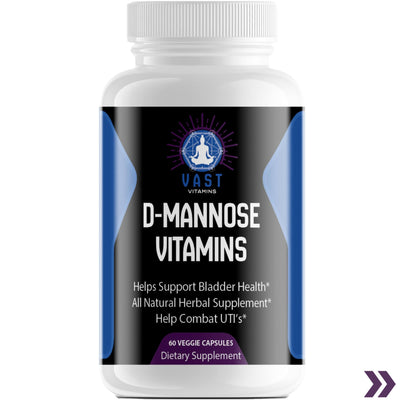
Lactobacillus rhamnosus and L. reuteri strains support healthy vaginal flora balance. Evidence for UTI recurrence prevention exists but is less robust than digestive outcomes. If UTI prevention is a primary concern, this is a useful supplementary strategy alongside targeted options like D-mannose.
Mental Clarity and Cognitive Function ★☆☆
A 2024 meta-analysis of 34 RCTs (PMC12645680, 2,390 participants) found "limited evidence suggesting a possible improvement in cognitive function from probiotics use at 12 weeks." Effect sizes are small and more research is needed before any strong claims are warranted. The effect may be mediated through reduced inflammation and improved sleep quality rather than direct cognitive mechanisms.
8 Signs Your Gut Flora May Be Off Balance

These are not definitive signs that you "need" a probiotic specifically — they are signs that your gut microbiome may be out of balance, which probiotics or dietary changes could potentially address. Always consult a doctor for persistent symptoms, as these can have multiple causes.
Evidence rating key: ★★★ = well-established indicator of gut imbalance | ★★☆ = good evidence with some variability | ★☆☆ = emerging association, not yet conclusive
1. Frequent Digestive Symptoms (Bloating, Gas, Diarrhea, Constipation) ★★★
This is the most reliable indicator of gut dysbiosis. Chronic changes in bowel habits — particularly when they follow a dietary change, illness, or antibiotic course — are consistently associated with microbiome imbalance in clinical literature. If you experience persistent digestive symptoms, a healthcare provider should evaluate potential underlying causes including IBS, IBD, or food intolerance.
2. You Recently Took Antibiotics ★★★
Antibiotics reduce overall microbiome diversity and can deplete beneficial bacteria for weeks to months after a course ends. This is one of the clearest, best-evidenced reasons to consider probiotic supplementation — and the timing matters.
Recommended approach: Start probiotics 2–3 hours after each antibiotic dose (not simultaneously). Continue for 1–2 weeks after finishing the antibiotic course. Research on antibiotic-microbiome impact (PMC8756738) confirms this recovery window.
3. Frequent Colds or Infections ★★☆
With 70–80% of immune function gut-based, a depleted microbiome can weaken immune response. Multiple meta-analyses link gut dysbiosis to increased upper respiratory infection frequency.
Important caveat: Frequent illness has many causes — gut imbalance is one possible contributing factor, not the only explanation. Chronic illness, stress, sleep deprivation, and nutritional deficiencies all play roles.
4. Food Sensitivities or Intolerances That Have Worsened ★★☆
When beneficial bacteria are depleted, intestinal permeability can increase — potentially allowing undigested food particles to trigger immune responses. This is the mechanism behind what is sometimes called "leaky gut." Evidence for probiotics specifically reducing food sensitivity is still emerging, but the connection between dysbiosis and increased gut permeability is well-established.
5. Mood Changes, Anxiety, or Brain Fog ★☆☆
Gut dysbiosis may reduce serotonin precursor availability and alter vagus nerve signaling to the brain. The association between gut health and mood is real; whether probiotic supplementation specifically resolves mood issues is still under active investigation.
Research from PMC10410452 (2023) and PMC10867509 (2024) supports the gut-brain axis mechanism. For natural strategies to support serotonin production alongside gut health, see our guide on increasing serotonin naturally.
6. Disrupted Sleep ★☆☆
The gut microbiome may regulate circadian rhythm via the serotonin → melatonin pathway. Disrupted gut flora could theoretically affect sleep quality through this mechanism. The evidence is preliminary — RCTs on probiotics and sleep quality are small and inconsistent — but the biological pathway is plausible and an active area of research.
7. Skin Flare-Ups (Eczema, Acne, Redness) ★☆☆
Gut-skin axis research supports the idea that systemic inflammation from dysbiosis can manifest as skin symptoms. The evidence supports an association more than it confirms probiotic treatment specifically. Skin flare-ups that coincide with dietary changes or antibiotic use are worth noting as potential gut-skin signals.
8. High Stress or a Diet Heavy in Processed Foods ★★☆
Chronic stress alters gut microbiota composition — cortisol affects gut motility and intestinal permeability. Ultra-processed diets reduce microbiome diversity by reducing fiber intake, which is the primary food source for beneficial bacteria.
This is a risk factor and contributing cause, not a diagnostic symptom in the traditional sense. The primary intervention here is dietary: more fiber, fermented foods, and variety. Probiotic supplementation can help, but it works best when paired with dietary improvements.
How to Choose a Probiotic — Strains and CFU Explained

CFU (colony-forming units) is the measure of viable bacteria per dose. More is not always better — the right strain at the right dose for your specific goal matters far more than the highest CFU number on the label.
Typical effective ranges:
- 10–20 billion CFU/day for general digestive maintenance and immune support
- 10–50 billion CFU/day for post-antibiotic recovery or active IBS management
Multi-strain formulas consistently outperform single-strain formulas in meta-analyses for IBS and post-antibiotic recovery. The logic is practical: different strains occupy different ecological niches in the gut.
| Goal | Recommended Strains | Daily CFU | Duration |
|---|---|---|---|
| General gut maintenance | L. acidophilus, B. longum | 10–20 billion | Ongoing |
| Post-antibiotic recovery | L. rhamnosus GG, S. boulardii | 10–50 billion | During + 1–2 weeks after |
| IBS symptom relief | Multi-strain formula | 10–50 billion | 4–8 weeks minimum |
| Immune support | L. rhamnosus, B. lactis | 10–20 billion | Ongoing |
| Mood / gut-brain support | L. helveticus, B. longum (psychobiotics) | 10–20 billion | 8+ weeks |
Timing: Take probiotics with or just after a meal — particularly one containing fat. Fat-containing foods improve bacterial survival through stomach acid. If taking antibiotics, take your probiotic 2–3 hours after the antibiotic dose.
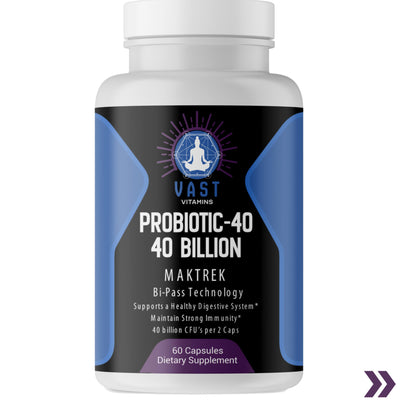
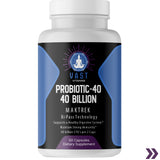
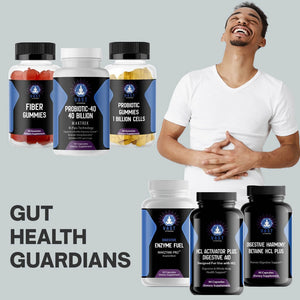
Delivery mechanism also matters. Our Vast Vitamins probiotic capsules use MAKtrek bi-pass technology — an acid-resistant delivery system that protects live cultures through stomach acid, so bacteria reach the intestines where they're actually needed.
For guidance on choosing the right probiotic strain for specific health goals, see our dedicated strain guide.
Safety and Who Should Be Cautious

Probiotics are considered safe for healthy adults. The most common short-term side effects are temporary bloating, gas, and digestive discomfort in the first 1–2 weeks as the gut adjusts — these resolve on their own.
Populations who should consult a doctor before taking probiotics:
- Immunocompromised individuals (HIV, undergoing chemotherapy, organ transplant recipients) — rare but documented cases of systemic infection exist
- Critically ill or hospitalized patients
- Premature infants — the FDA has issued specific warnings; do not give probiotics to premature newborns without direct medical supervision
- People with central venous catheters
- People recovering from recent surgery or with acute pancreatitis
Additional considerations:
- Yeast allergy: Avoid yeast-based probiotics (S. boulardii) if you have a yeast allergy
- Lactose intolerance: Choose a dairy-free probiotic formulation
- Immunosuppressant medications: Probiotics can theoretically interact with immunosuppressants — consult your doctor before starting if you take these medications
- Antibiotics timing: Take probiotics 2–3 hours apart from antibiotic doses, not simultaneously
For a comprehensive look at probiotic safety evidence and contraindications, see our guide on whether probiotics are safe. The NCCIH safety overview and the risk profile review in PMC4490230 are the most thorough public summaries of probiotic safety data.
Try Vast Vitamins Probiotic 40 Billion CFU
Our probiotic capsules use MAKtrek bi-pass technology to protect live cultures through stomach acid, delivering 40 billion CFU of multi-strain bacteria where they're needed most.
Frequently Asked Questions
What is the difference between probiotics and prebiotics?
Probiotics are live microorganisms; prebiotics are dietary fibers (like inulin and FOS) that feed those microorganisms. You need both for a healthy gut — taking probiotics without sufficient dietary fiber limits their effectiveness. Cleveland Clinic's probiotics overview covers this distinction clearly.
Can you get enough probiotics from food alone?
Fermented foods like yogurt, kefir, kimchi, and sauerkraut contain live cultures, but the CFU count is inconsistent and varies widely by brand and preparation method. Supplements provide a standardized, documented dose — more reliable when gut support is a specific goal.
The NIH ODS probiotics fact sheet notes that CFU counts in commercial fermented foods are rarely measured or stated.
How long does it take for probiotics to work?
Digestive symptom improvement typically appears within 1–4 weeks. Immune and mood benefits, where evidence exists, take 4–12 weeks of consistent use. Probiotics must be taken daily — because most strains are transient, benefits stop when you stop supplementing.
Should I take probiotics every day?
Yes, for most goals. Because most probiotic strains are transient rather than permanent colonizers, daily use is needed to maintain benefits. Studies consistently show that stopping probiotic supplementation sees gut microbiome composition drift back toward its previous state within weeks.
Can probiotics cause side effects?
Yes, mildly and temporarily. The most common side effects are increased gas, bloating, and digestive discomfort in the first 1–2 weeks as your gut adjusts — these typically resolve without intervention. Serious adverse effects are rare and occur almost exclusively in immunocompromised individuals, per the PMC4490230 risk and safety review.
When should I take probiotics — morning or night?
There is no universally agreed-upon best time. Most evidence suggests taking probiotics with a fat-containing meal improves bacterial survival through stomach acid. Morning with breakfast is the most commonly recommended timing for consistency, but evening with dinner is equally valid. Consistency matters more than exact timing.
Are probiotics safe to take with antibiotics?
Yes, but timing matters. Take your probiotic at least 2–3 hours before or after your antibiotic dose — not simultaneously. This prevents the antibiotic from killing the probiotic bacteria before they reach the gut. Continue probiotics for 1–2 weeks after finishing the antibiotic course to support microbiome recovery.
Can probiotics help with anxiety or depression?
Early evidence from small RCTs suggests probiotic supplementation may modestly improve mood and reduce anxiety symptoms via the gut-brain axis. However, effect sizes are small, studies are short, and the research is still developing.
Probiotics should be considered a supportive measure, not a treatment for diagnosed mood disorders. A summary of the current evidence is available in Harvard Health's probiotics and mood overview.
These statements have not been evaluated by the FDA. This product is not intended to diagnose, treat, cure, or prevent any disease. The information in this article is for educational purposes only and does not constitute medical advice. Consult a qualified healthcare provider before starting any new supplement, particularly if you have a medical condition, are pregnant or breastfeeding, or take prescription medications.
References and Sources
- NIH Office of Dietary Supplements — Probiotics Fact Sheet (Consumer)
- NCCIH — Probiotics: Usefulness and Safety
- Cleveland Clinic — Probiotics: What They Are, Benefits, Side Effects and Types
- Hemarajata P & Versalovic J (2013). Effects of probiotics on gut microbiota: mechanisms of intestinal immunomodulation and neuromodulation. PMC3539293
- PMC8512487 — Probiotics regulate gut microbiota to improve immunity (2021)
- PMC12183855 — Umbrella meta-analysis: probiotics for gastrointestinal disorders (2024)
- PMC10867509 — Gut-brain axis: probiotics and serotonin signaling (2024)
- PMC10410452 — Gut microbiota and gut-brain axis modulation (2023)
- PMC12645680 — Probiotics and cognitive function: meta-analysis of 34 RCTs (2024)
- PMC4490230 — Risk and safety of probiotics: a review
- PMC8756738 — Antibiotics and the human microbiome
- Harvard Health — Probiotics may help boost mood and cognitive function