







The Best Anxiety Supplements: Ranked by Evidence

Key Takeaways
- Ashwagandha has the strongest clinical evidence among natural anxiety supplements, with a 2024 meta-analysis of 15 studies and 873 patients confirming significant cortisol and anxiety score reductions.
- Evidence quality varies enormously — some supplements have multiple high-quality RCTs behind them; others show real promise but need more research to confirm optimal protocols.
- Important safety note: If you take SSRIs, SNRIs, or MAOIs, speak with your doctor before using 5-HTP. The risk of serotonin syndrome is real and this is the #1 safety gap in most competitor content on this topic.
Anxiety affects roughly 40 million adults in the United States — making it the most common mental health condition in the country. While supplements are not a replacement for professional care in moderate-to-severe anxiety disorders, a growing body of clinical research shows that several natural compounds meaningfully reduce anxiety symptoms, lower cortisol, and support the nervous system's stress-response pathways.
This guide ranks the best anxiety supplements by evidence quality, not popularity. You will find the research behind each one, practical dosage guidance, and a decision framework for choosing where to start — the section that every other guide on this topic skips entirely.
How to Read This Guide (Evidence Ratings Explained)

Not all supplements have equal research behind them. A star rating system lets you see at a glance how much clinical weight stands behind each recommendation — before you read a single word of the evidence summary.
Here is what each rating means:
- ★★★ Strong Evidence — Multiple high-quality randomized controlled trials (RCTs) with consistent results across different study populations
- ★★☆ Moderate Evidence — Solid research with some caveats: good studies exist but sample sizes may be smaller, study designs vary, or effect sizes are modest
- ★☆☆ Emerging Evidence — Early studies and mechanistic research show real promise; more large-scale RCTs are needed to confirm optimal protocols
One point worth making clearly: ★☆☆ does not mean "doesn't work." It means the research is catching up to something that practitioners, traditional medicine systems, and users have reported for years.
Selenium, for example, carries a ★☆☆ rating — but the underlying biology is well-established and the available evidence is genuinely compelling. Limited research funding (you cannot patent a mineral) is the main reason the clinical trial base is still developing, not lack of biological plausibility.
The 8 Best Supplements for Anxiety, Ranked by Evidence
These eight supplements are presented strongest-evidence first. Each one has a distinct mechanism of action, so they are not interchangeable — the "Which Supplement Should You Try First?" section below will help you match the right option to your situation.
Supplements work best as part of a broader wellness approach that includes quality sleep, regular movement, and stress management practices.
Evidence rating key: ★★★ = multiple high-quality RCTs with consistent results | ★★☆ = solid evidence with some caveats | ★☆☆ = emerging evidence, shows promise but needs more research
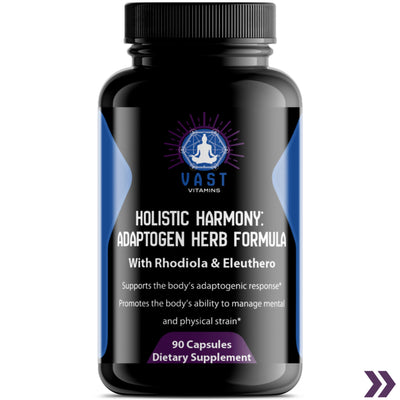
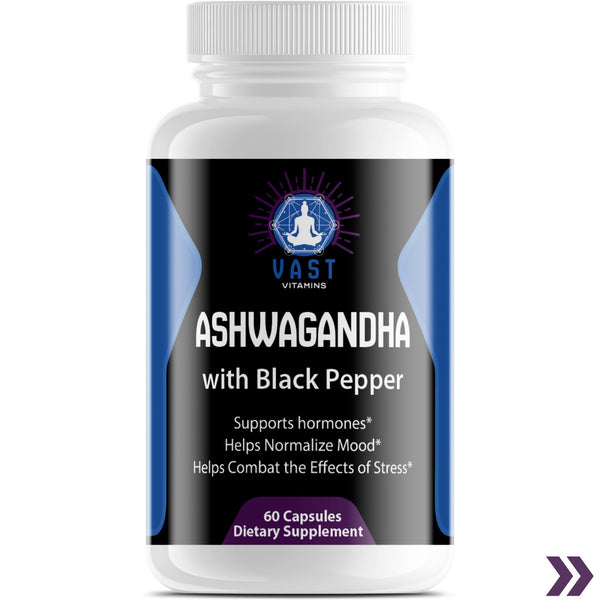
1. Ashwagandha ★★★ (Strong Evidence)

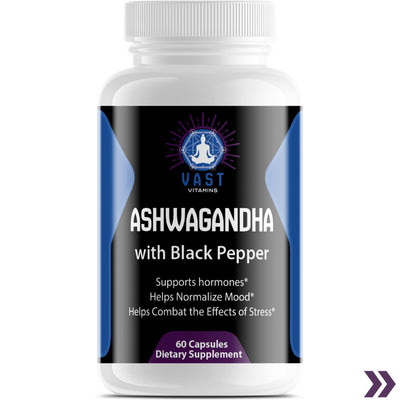
Ashwagandha (Withania somnifera) is an adaptogenic herb from Ayurvedic medicine with the most robust clinical evidence base of any natural anxiety supplement. Multiple independent RCTs consistently find significant reductions in both anxiety scores and cortisol levels.
How it works: Ashwagandha modulates the hypothalamic-pituitary-adrenal (HPA) axis — the body's central stress-response system — reducing excessive cortisol output. It also appears to regulate GABA-A receptor activity, the same receptor family targeted by pharmaceutical anxiolytics.
The evidence: A 2024 systematic review and meta-analysis published in BJPsych Open analyzed 15 RCTs covering 873 patients. Ashwagandha supplementation produced significant reductions in HAM-A (Hamilton Anxiety Rating Scale) scores versus placebo (p=0.0005) and significantly reduced cortisol at 8 weeks (p<0.0001).
A separate 2022 meta-analysis found a standardized mean difference of -1.55 for anxiety outcomes versus placebo — a clinically meaningful effect size.
Dose: 300–600 mg/day of a standardized root extract (KSM-66 or equivalent). Allow 4–8 weeks for full effect; some studies used 8–12 week protocols to capture peak cortisol normalization.
Safety: Well-tolerated in trials. Avoid during pregnancy. Those with thyroid conditions should consult a physician before use — ashwagandha may affect thyroid hormone levels.
For a deeper look at ashwagandha's full clinical evidence profile — including trial-by-trial breakdowns and mechanisms beyond anxiety — see our dedicated guide.
2. L-Theanine ★★☆ (Moderate Evidence)
L-theanine is an amino acid found almost exclusively in green tea. It is uniquely useful among anxiety supplements because it promotes calm alertness without sedation — you can take it and still drive, work, or perform.
How it works: L-theanine increases alpha brainwave activity, associated with a relaxed but focused mental state. It also reduces the cortisol stress response and modulates GABA and glutamate signaling. Crucially, it does not cause drowsiness at standard doses.
The evidence: A 2019 double-blind RCT found that 200 mg/day for 4 weeks significantly reduced self-reported anxiety and improved sleep quality in healthy adults.
A 2021 crossover study using a single 200 mg dose showed significant acute reductions in stress response markers during a standardized stress challenge. As an adjunct for generalized anxiety disorder (GAD) at higher doses (450–900 mg), anxiety results are more mixed — but sleep benefits are consistently positive.
Dose: 200–400 mg/day for ongoing stress management. A single 200 mg dose can be taken 30–60 minutes before a stressful situation for acute support. The fast onset (under an hour) makes it the most practical option when you need same-day relief.
Practical note: L-theanine pairs well with caffeine, moderating the jitteriness and heart-rate elevation that some people experience from coffee while preserving mental focus. It is one of the safest supplements in this guide with no significant contraindications at standard doses.
3. Magnesium ★★☆ (Moderate Evidence)
Magnesium is an essential mineral involved in over 300 enzymatic reactions — including several that regulate the nervous system's stress response. What makes it particularly relevant for anxiety: up to 50% of Americans do not get adequate magnesium from diet alone, and the relationship between magnesium deficiency and anxiety symptoms is well-established.
How it works: Magnesium regulates GABA receptors (the primary inhibitory neurotransmitter pathway in the brain), modulates the HPA axis, and reduces excessive glutamate signaling — the excitatory pathway that, when overactive, drives anxiety symptoms. It essentially acts as a natural brake on the nervous system's stress circuits.
The evidence: A 2017 systematic review of 18 human studies found consistent evidence of anxiety improvement in magnesium-supplemented groups, particularly in anxiety-vulnerable populations. A 2024 systematic review confirmed benefits for both self-reported anxiety and sleep quality. The effect is strongest in people who are genuinely deficient — which includes a substantial portion of the population given modern dietary patterns.
Dose: 200–400 mg/day of elemental magnesium. Form matters: magnesium glycinate is the preferred form for anxiety and sleep support — it has better absorption than magnesium oxide and significantly fewer GI side effects.
Magnesium oxide is the cheapest and most commonly sold form, but it has poor bioavailability. If you have tried magnesium and not noticed any effect, switching forms may make the difference. Our magnesium glycinate capsules use the fast-absorbing glycinate form specifically for this reason.
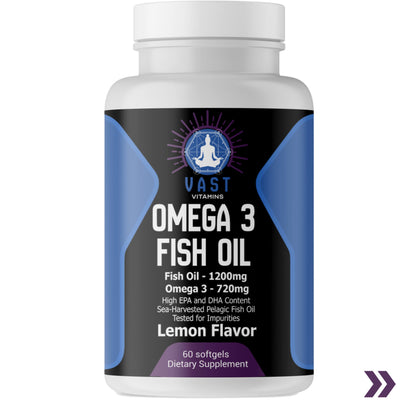
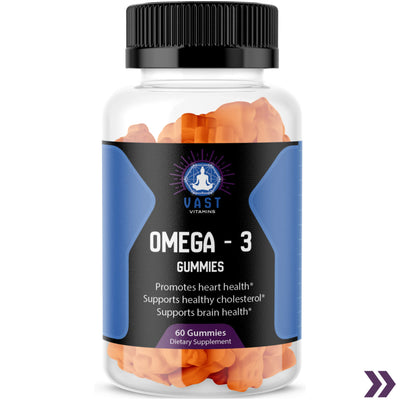
4. Omega-3 Fatty Acids ★★☆ (Moderate Evidence)
Omega-3 fatty acids (EPA and DHA, primarily from fish oil) are essential fats the body cannot synthesize on its own. Their role in brain health is well-established; their role in anxiety specifically has accumulated a meaningful evidence base over the past decade.
How they work: Omega-3s reduce neuroinflammation — increasingly recognized as a contributor to mood disorders and anxiety. They also modulate neurotransmitter receptor activity and support the structural integrity of neuronal membranes, which affects how efficiently the brain processes stress signals.
The evidence: A 2024 dose-response meta-analysis of 23 trials covering 2,189 participants found significant anxiolytic effects, with the greatest benefit at approximately 2 g/day of combined EPA+DHA. A 2018 meta-analysis in JAMA Network Open analyzing 19 trials with 2,240 participants found a positive effect on clinical anxiety across multiple study populations.
An important nuance: effects are stronger in people with diagnosed anxiety disorders than in those with subclinical or everyday stress. If your anxiety is mild and situational, the effect will be more modest.
Dose: 1,000–2,000 mg EPA+DHA daily. EPA appears more relevant than DHA for mood and anxiety outcomes specifically. Quality matters here — look for third-party tested, molecularly distilled products to ensure potency and minimize oxidation.
5. 5-HTP (Serotonin Precursor) ★★☆ (Moderate Evidence)

5-HTP (5-hydroxytryptophan) is the most direct dietary precursor to serotonin available as a supplement. It is derived from the seeds of Griffonia simplicifolia, and unlike tryptophan, it crosses the blood-brain barrier with approximately 70% oral bioavailability — making it one of the more efficient serotonin-support options available without a prescription.
How it works: After absorption, 5-HTP is converted directly to serotonin in the brain. Because serotonin dysregulation underlies many anxiety presentations, this direct precursor pathway is a logical intervention point — particularly for people whose anxiety has a strong mood or emotional sensitivity component.
The evidence: A double-blind trial comparing 5-HTP to clomipramine in 45 anxiety disorder patients found moderate reductions in SCL-90 anxiety scores. Additional research confirms 5-HTP's role as a clinically effective serotonin precursor. For deeper coverage of the serotonin mechanism, see our guide on how 5-HTP increases serotonin naturally.
Dose: Start at 50 mg/day to assess tolerance. Effective doses in research typically range from 50–200 mg/day. Take with food to minimize nausea, which is the most common side effect at higher doses.
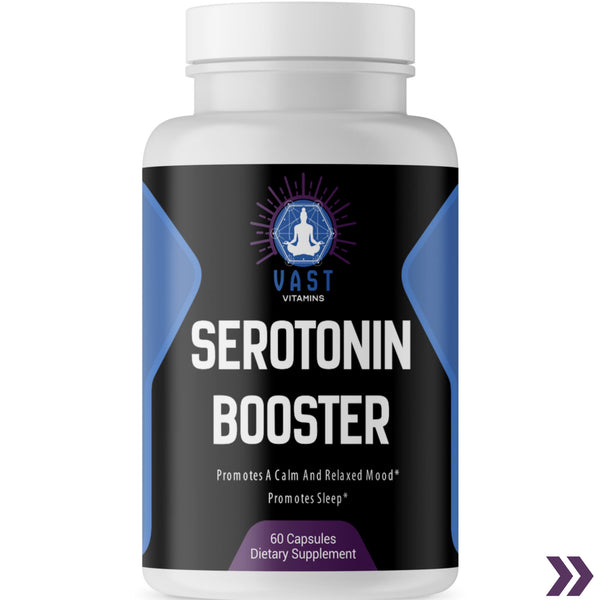
For a targeted serotonin support option, our 5-HTP capsules combine 5-HTP with calcium for daily mood support.
Critical Safety Warning: 5-HTP and Medication Interactions
Do not take 5-HTP if you use SSRIs (such as sertraline, fluoxetine, escitalopram), SNRIs (such as venlafaxine, duloxetine), MAOIs, or triptan migraine medications. Combining 5-HTP with any of these drug classes raises the risk of serotonin syndrome — a potentially serious condition caused by excessive serotonin activity in the nervous system.
If you are on any of these medications and are interested in serotonin support, discuss alternatives with your prescribing physician before starting 5-HTP.
6. Probiotics & the Gut-Brain Axis ★☆☆ (Emerging Evidence)

Probiotics — live beneficial bacteria (primarily Lactobacillus and Bifidobacterium species) that support the gut microbiome — represent one of the most genuinely exciting frontiers in anxiety research. The mechanism is unusual: not direct brain supplementation, but indirect modulation via the gut-brain axis.
How it works: An estimated 90–95% of the body's serotonin is produced in the gut, not the brain. The gut microbiome directly influences the production and availability of this serotonin, as well as other neurotransmitters and signaling molecules that travel to the brain via the vagus nerve.
Lactobacillus strains upregulate brain-derived neurotrophic factor (BDNF) and suppress HPA axis cortisol responses. Bifidobacterium longum modulates cortisol output directly. Microbiome imbalances — increasingly common due to poor diet, antibiotic use, and chronic stress — can drive anxiety symptoms through this pathway.
The evidence: A review of clinical trials from 2014–2023 found that 43.75% of anxiety studies using probiotics reported positive outcomes. Results are heterogeneous because strain selection, dose, and study populations vary considerably. The best-studied strains for mood and anxiety outcomes are Lactobacillus helveticus R0052 and Bifidobacterium longum R0175, which have been tested together in multiple human studies.
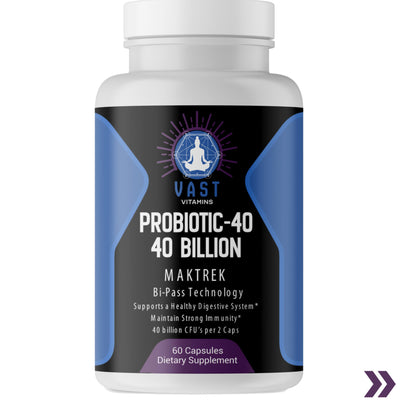
Dose: 1–10 billion CFU/day from a quality probiotic supplement. Delivery technology matters — many probiotic strains are killed by stomach acid before reaching the gut. Look for products using acid-resistant delivery systems.
For a deeper dive into the probiotic mechanisms, see our guide on choosing a quality probiotic supplement and our dedicated article on the gut-brain connection.
7. Valerian Root ★☆☆ (Emerging Evidence — Best for Anxiety-Related Sleep Problems)
Valerian root (Valeriana officinalis) has been used in traditional European and Asian medicine for centuries as a nervous system calming agent. Modern research confirms it works — though it is most strongly supported for sleep, with anxiety benefits most pronounced in people whose anxiety manifests primarily as nighttime tension, racing thoughts, or insomnia.
How it works: Valerian contains valerenic acid and other compounds that act as partial GABA-A agonists — working on the same receptor system as benzodiazepine medications, but with considerably lower potency and no addiction risk at standard doses.
The evidence: A meta-analysis of 8 anxiety studies (n=535) found measurable anxiety reduction with valerian supplementation. A separate RCT in hemodialysis patients — a population with high rates of anxiety and sleep disruption — found significantly reduced state anxiety and depression scores. Sleep quality improvements are the most consistently replicated finding across studies.
Best use case: Valerian is the strongest natural option when anxiety primarily shows up as sleep disruption — difficulty falling asleep, waking at night with racing thoughts, or physical tension that prevents rest. It stacks well with magnesium for a comprehensive nighttime anxiety protocol.
Dose: 300–600 mg standardized extract OR 450–1,410 mg whole root, taken 30–60 minutes before bed. Not recommended as a daytime supplement due to its sedating effect.
For sleep-specific support, see our guide on natural insomnia treatments. For herbal options more suited to acute anxiety episodes rather than sleep, see our guide on natural remedies for panic attacks.
8. Selenium ★☆☆ (Emerging Evidence — Especially If Dietary Intake Is Low)
Selenium is an essential trace mineral with a dual role: it is a potent antioxidant and a required cofactor for thyroid hormone conversion. Its connection to mood and anxiety is less commonly discussed in supplement guides — which is exactly why it deserves a place here.
How it works for mood: Selenium reduces oxidative stress and neuroinflammation, both of which are implicated in anxiety and depression. It also influences serotonin synthesis and function, and plays a critical role in thyroid metabolism — and thyroid dysfunction is a frequently overlooked driver of anxiety symptoms, particularly in women.
The evidence: A study of 736 Brazilian farmers found that individuals in the highest quartile of selenium intake were significantly less likely to experience depression compared to those in the lowest quartile (17.8% vs. 9.2% depression rates).
A controlled 5-week selenium supplementation study found that restoring adequate selenium intake reversed scores for anxiety, depression, and tiredness. The key caveat: these benefits are most pronounced in people whose selenium intake is currently inadequate.
The U-shaped dose response — critically important: Both selenium deficiency AND selenium excess increase depression and anxiety risk. The goal is optimal intake, not maximum intake. The tolerable upper intake level is 400 mcg/day, and most adults should not supplement beyond 200 mcg.
Practical first step: Before supplementing, consider food sources. Just 1–2 Brazil nuts per day delivers approximately 55–90 mcg of selenium — meeting the full recommended daily requirement affordably and naturally. If your diet is consistently selenium-poor, supplementation at 55–200 mcg/day is appropriate.
Dosage Quick-Reference Table

This table summarizes the studied doses, use cases, and key safety notes for all eight supplements covered in this guide. Use it as a reference once you have read each supplement's evidence section above.
| Supplement | Studied Dose | Best Use Case | Time to Effect | Safety Note |
|---|---|---|---|---|
| Ashwagandha | 300–600 mg/day | Daily stress + cortisol management | 4–8 weeks | Avoid in pregnancy; thyroid caution |
| L-Theanine | 200–400 mg/day | Situational stress + focused calm | 30–60 min (acute) | Generally safe; no major interactions |
| Magnesium Glycinate | 200–400 mg elemental | Daily tension + sleep quality | 2–4 weeks | Glycinate form preferred; oxide may cause GI upset |
| Omega-3 (EPA+DHA) | 1,000–2,000 mg/day | General mood + neuroinflammation | 6–12 weeks | Check for blood-thinning medications |
| 5-HTP | 50–200 mg/day | Serotonin support + mood | 2–6 weeks | DO NOT use with SSRIs/SNRIs/MAOIs |
| Probiotics | 1–10 billion CFU/day | Gut-brain balance | 4–8 weeks | Generally safe; strain quality varies |
| Valerian Root | 300–600 mg extract | Bedtime anxiety + sleep | 2–4 weeks | Mildly sedating; avoid with alcohol |
| Selenium | 55–200 mcg/day | Dietary gap coverage | 4–6 weeks | U-shaped response: do not exceed 400 mcg/day |
Which Supplement Should You Try First?
Every guide to the best anxiety supplements lists options. Almost none help you choose. This section addresses that directly with a practical if/then framework based on the mechanisms above.
- If daily stress and elevated cortisol are your primary issue — start with ashwagandha. It has the strongest evidence, directly targets the HPA axis, and 8 weeks of consistent use produces measurable cortisol normalization in clinical trials.
- If situational or acute anxiety is your main challenge (presentations, social anxiety, pre-event nerves) — L-theanine is your best first option. It works within 30–60 minutes, produces focused calm without sedation, and is safe to use as needed.
- If poor sleep is your primary anxiety symptom — combine magnesium glycinate and valerian root, both taken 30–60 minutes before bed. These two work on overlapping GABA pathways and have additive sleep benefits.
- If you suspect gut issues, diet gaps, or microbiome disruption — start with probiotics. If you rarely eat Brazil nuts, seafood, or organ meats, also check selenium intake — this is the most overlooked piece of the anxiety puzzle.
- If mood and serotonin feel depleted (emotional flatness, low motivation, persistent low mood alongside anxiety) — 5-HTP may be the right fit. But check your medications first. See the warning in the 5-HTP section above.
Can these be combined? Yes — most stack safely. Ashwagandha + magnesium + L-theanine is a well-tolerated daytime stack used by many practitioners. The one exception is 5-HTP: do not combine it with SSRIs, SNRIs, or MAOIs under any circumstances without medical supervision.
If you are currently on prescription medication for anxiety or depression, consult your prescribing doctor before starting any supplement. This is not a liability disclaimer — it is genuinely important pharmacology. Your doctor needs to know what you are taking.
Supplements to Know About (But Not Our Focus Here)
Three additional herbal supplements have meaningful clinical evidence for anxiety — they simply belong in a different part of the anxiety supplement landscape: acute and situational relief rather than daily supplementation.
Chamomile extract (apigenin): A 2024 systematic review of 10 trials found that 9 out of 10 demonstrated chamomile's effectiveness for anxiety. A long-term University of Pennsylvania trial showed sustained GAD remission with 500 mg three times daily. Strong evidence, particularly for everyday anxiety and mild-to-moderate GAD.
Lavender oil (Silexan): The oral form (80 mg standardized extract — not aromatherapy) has been compared head-to-head to lorazepam in a clinical trial, with comparable anxiety reduction and no sedation or dependence risk. One of the most underappreciated supplements in the anxiety space.
Kava kava: Has a stronger evidence base for GAD than most of the supplements on this list, but comes with a mandatory safety consideration — risk of hepatotoxicity with excessive doses, alcohol use, or pre-existing liver conditions. Not suitable as a casual daily supplement.
For full evidence breakdowns, dosage protocols, and timing guidance on chamomile, lavender, and kava, see our companion guide: natural remedies for panic attacks.
Support Your Calm With a Multi-Ingredient Formula
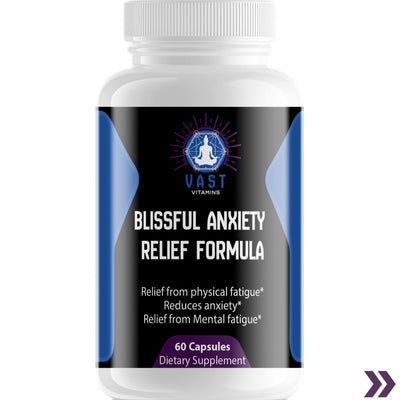
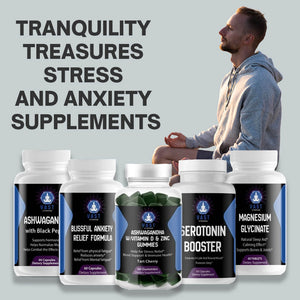
Our anxiety support capsules combine evidence-backed botanicals and nutrients — a convenient alternative to managing multiple single-ingredient supplements.
Frequently Asked Questions
What is the most effective supplement for anxiety?
Ashwagandha has the strongest clinical evidence of any natural anxiety supplement. A 2024 meta-analysis of 15 RCTs covering 873 patients found significant reductions in HAM-A anxiety scores and cortisol levels, with consistent results across different study populations. For situational or acute anxiety specifically, L-theanine's fast onset (30–60 minutes) makes it the most practical option in real-world use.
Can supplements replace anxiety medication?
No. Supplements are not a replacement for clinical treatment of moderate-to-severe anxiety disorders. Prescription medications have been rigorously tested for conditions like generalized anxiety disorder (GAD), panic disorder, and social anxiety disorder. Natural supplements work best as a complement to professional care — or as standalone support for mild-to-moderate everyday stress. Always work with a healthcare provider if your anxiety significantly impacts your daily functioning.
How long does it take for anxiety supplements to work?
It depends on the supplement and the mechanism. L-theanine works within 30–60 minutes as a single dose. Magnesium typically shows benefits within 2–4 weeks of daily use. Ashwagandha requires 4–8 weeks for cortisol normalization and sustained anxiety relief. Omega-3s typically show mood effects at 6–12 weeks. Probiotic effects on mood develop gradually over 4–8 weeks as the microbiome shifts. See the dosage table above for full timing reference.
Can I take multiple anxiety supplements together?
Most anxiety supplements stack safely. Ashwagandha + magnesium glycinate + L-theanine is a common and well-tolerated combination. Valerian can be added for nighttime use. The critical exception: 5-HTP must not be combined with SSRIs, SNRIs, or MAOIs — this combination raises serotonin syndrome risk regardless of dose. If you take any prescription medication, discuss your supplement stack with your doctor before starting.
Is L-theanine or ashwagandha better for anxiety?
They work on different timescales and mechanisms. L-theanine is fast-acting and situational — ideal for acute stress, focus, or pre-event calm. Ashwagandha is for chronic, daily stress — it works by normalizing the cortisol stress-response system over weeks of consistent use. For most people with ongoing anxiety, ashwagandha is the stronger long-term choice. Many users take both: ashwagandha daily as a foundation, and L-theanine as needed for acute situations.
Does magnesium help with anxiety?
Yes — particularly if your magnesium intake is low. Up to 50% of Americans fall short of the recommended magnesium intake from diet alone. Magnesium regulates GABA receptors and the HPA axis stress-response system; deficiency is directly linked to increased anxiety vulnerability. A 2017 systematic review of 18 studies and a 2024 review both found improvements in anxiety-prone populations. Magnesium glycinate is the preferred form — better absorbed and gentler on digestion than magnesium oxide.
Are there any supplements to avoid if I take antidepressants?
Yes. 5-HTP is the primary concern. Combining 5-HTP with SSRIs (sertraline, fluoxetine, escitalopram, etc.), SNRIs, or MAOIs can cause serotonin syndrome — excessive serotonin activity in the nervous system. St. John's Wort is another supplement with significant SSRI interactions for the same reason. Always inform your prescribing doctor of all supplements you are taking. Ashwagandha, magnesium, L-theanine, omega-3s, valerian, and probiotics are generally well-tolerated alongside antidepressants, but individual variation exists and your doctor should be aware.
What is the gut-brain axis and how does it affect anxiety?
The gut-brain axis is the bidirectional communication network between the gastrointestinal tract and the central nervous system, primarily via the vagus nerve. An estimated 90–95% of the body's serotonin is produced in the gut — meaning the gut microbiome directly influences mood-regulating neurotransmitter activity. Microbiome imbalances driven by poor diet, antibiotic use, or chronic stress can disrupt this signaling and contribute to anxiety symptoms. Probiotics may support the gut-brain connection by modulating cortisol output and supporting serotonin precursor availability. For a comprehensive look at this topic, see our guide on the gut-brain connection.
These statements have not been evaluated by the Food and Drug Administration. This product is not intended to diagnose, treat, cure, or prevent any disease.
The information in this article is for educational purposes only. It is not intended as medical advice. Always consult a qualified healthcare provider before starting any supplement, particularly if you have an existing health condition or take prescription medications.
Sources & References
- Effects of Ashwagandha Supplements on Cortisol, Stress, and Anxiety Levels in Adults: A Systematic Review and Meta-Analysis — PMC (BJPsych Open, 2024)
- Effects of Ashwagandha on Stress and Anxiety: A Systematic Review and Meta-Analysis — PubMed (2024)
- Does Ashwagandha Supplementation Have a Beneficial Effect on Anxiety and Stress? A Meta-Analysis of RCTs — PubMed (2022)
- A Prospective, Randomized Double-Blind, Placebo-Controlled Study of Safety and Efficacy of a High-Concentration Full-Spectrum Extract of Ashwagandha Root — PMC (2012)
- Effects of L-Theanine on Anxiety-Related Symptoms and Sleep Quality in Healthy Adults — PMC (2019)
- Acute Effects of L-Theanine on Stress and Cognitive Performance — PMC (2021)
- Magnesium and Anxiety: A Systematic Review — PMC (2017)
- Magnesium Supplementation for Anxiety and Sleep: A Systematic Review — PMC (2024)
- Omega-3 Fatty Acids and Anxiety: A Dose-Response Meta-Analysis — PMC (2024)
- Association of Use of Omega-3 Polyunsaturated Fatty Acids With Changes in Severity of Anxiety Symptoms — JAMA Network Open (2018)
- 5-Hydroxytryptophan Versus Clomipramine in the Treatment of Patients with Anxiety Disorders — PubMed
- The Gut Microbiota and Anxiety: A Systematic Review — PMC
- Clinical Trials of Probiotics for Anxiety and Depression (2014–2023) — PMC
- Valerian Root for Anxiety and Sleep: A Meta-Analysis — PMC (2020)
- Association of Selenium Intake and Development of Depression in Brazilian Farmers — PMC / Frontiers in Nutrition
- Ashwagandha Fact Sheet for Health Professionals — NIH Office of Dietary Supplements