







How to Increase Serotonin Naturally: 7 Evidence-Based Methods

You wake up flat, anxious, and already reaching for sugar before 9am. Your sleep was technically long enough, but you feel like you got none. Sound familiar? Low serotonin may be part of what's going on — and the good news is that several natural approaches have solid clinical evidence behind them.
Below are seven ways to increase serotonin naturally, ranked by the strength of the science supporting each one. The most well-studied methods come first.
Key Takeaways
- Serotonin is a neurotransmitter that regulates mood, sleep, appetite, digestion, and pain — and approximately 90–95% of it is produced in your gut, not your brain.
- Exercise and bright light have the strongest clinical evidence for naturally raising brain serotonin levels.
- Safety first: If you take antidepressants (SSRIs, SNRIs) or MAOIs, do NOT add 5-HTP or St. John's Wort without talking to your doctor first — the combination can trigger serotonin syndrome, a potentially life-threatening condition.
What Is Serotonin and Why Does It Matter?

Serotonin (technically 5-hydroxytryptamine, or 5-HT) is both a neurotransmitter and a hormone — meaning it sends chemical signals between nerve cells and circulates through the bloodstream. Most people think of it purely as a "mood chemical," but that undersells it significantly.
A counterintuitive fact worth knowing: roughly 90–95% of the body's serotonin is produced in the gut — specifically in enterochromaffin cells lining the intestinal wall — not in the brain. The brain's own serotonin is synthesized in the brainstem and pineal gland, but operates in its own separate compartment; blood serotonin cannot cross the blood-brain barrier.
Serotonin influences a wide range of bodily functions:
- Mood and emotional regulation — affects how positive or flat you feel day-to-day
- Sleep-wake cycles — serotonin is a precursor to melatonin, the sleep hormone
- Appetite and digestion — regulates gut motility and feelings of satiety
- Pain perception — lower serotonin is associated with increased pain sensitivity
- Bone density — serotonin signaling in gut and bone tissue affects bone formation
- Wound healing — platelets release serotonin to help constrict blood vessels after injury
- Libido and sexual function — serotonin modulates sexual response, though the relationship is complex
The link between serotonin and depression is real but more nuanced than the "chemical imbalance" narrative suggests. Low serotonin is associated with depression and anxiety, but current research indicates this may be correlative rather than straightforwardly causal — low serotonin may be a symptom of depression as much as a driver of it. That said, interventions that raise serotonin activity (whether pharmaceutical or natural) consistently show mood benefits in clinical trials.
For serotonin physiology detail, see the StatPearls review on serotonin and the Cleveland Clinic's accessible overview.
Signs Your Serotonin May Be Low
An important note upfront: you cannot reliably self-diagnose low serotonin. Blood tests for serotonin exist, but they measure serotonin in the bloodstream — which does not reflect brain serotonin levels. This is a very common misconception, and no reputable clinician uses a serum serotonin test to diagnose depression or mood disorders.
That said, the following signs are commonly associated with low serotonin activity. They are not diagnostic, but they may indicate it's worth paying attention to the lifestyle factors below:
- Persistent low mood, sadness, or emotional flatness
- Anxiety, irritability, and heightened stress sensitivity
- Difficulty falling or staying asleep
- Brain fog and poor concentration
- Strong cravings for carbohydrates (especially in the afternoon or evening)
- Low energy and motivation
- Increased sensitivity to pain (fibromyalgia has a serotonin component)
- Digestive irregularities, particularly constipation or gut discomfort
If any of these symptoms are severe, persistent (more than two weeks), or affecting your daily functioning, consult a healthcare provider rather than relying on lifestyle changes or supplements alone.
For a fuller rundown of low serotonin signs, see Medical News Today's serotonin deficiency article.
7 Natural Ways to Increase Serotonin
These methods are ranked roughly by the strength of scientific evidence — the most well-studied interventions come first. Where evidence is mixed or limited, that is stated plainly.
Evidence rating key: ★★★ = multiple high-quality RCTs with consistent results | ★★☆ = solid evidence with some caveats | ★☆☆ = emerging evidence, shows promise but needs more research
1. Exercise ★★★ (Strong Evidence)
Exercise has the strongest non-pharmacological evidence of any natural method for raising brain serotonin, according to a landmark 2007 review by Simon Young published in the Journal of Psychiatry and Neuroscience.
The mechanism works through two pathways:
- Tryptophan availability increases. Aerobic exercise reduces branched-chain amino acids (BCAAs) circulating in the blood. Since BCAAs compete with tryptophan for the same transporter into the brain, lowering BCAAs allows more tryptophan to cross the blood-brain barrier and convert to serotonin. A 2012 study in older men confirmed that exercise significantly increases brain tryptophan availability.
- Serotonin neuron firing increases directly. Physical activity stimulates serotonergic neurons to fire more frequently, promoting synthesis and release. Exercise also increases BDNF (brain-derived neurotrophic factor), which works alongside serotonin to support mood regulation and neural plasticity.
Practical guidance:
- 150 minutes per week of moderate aerobic exercise is the general evidence-based recommendation (brisk walking, running, cycling, swimming).
- The intensity does not need to be high — moderate effort produces consistent serotonin benefits.
- UK NHS guidelines now recommend exercise as a first-line treatment for mild depression, ahead of antidepressants.
- Consistency matters more than intensity. A daily 30-minute walk beats an occasional intense session.
Sources: Young SN, 2007 (PMC2077351); PMC5649871 — exercise and serotonergic systems.
2. Sunlight Exposure ★★★ (Strong Evidence)

Bright light is the other method with the strongest clinical backing — on par with exercise in the 2007 Young review. The mechanism is direct: bright light stimulates serotonin synthesis in the brain and suppresses daytime melatonin production, keeping the circadian system calibrated toward alertness and positive mood.
The key variable is light intensity. Meaningful serotonin effects require roughly 1,000+ lux. Typical indoor office lighting delivers only 50–500 lux — not enough. Outdoor sunlight easily exceeds 10,000 lux even on an overcast day.
This is why mood often drops in winter: it is not simply that it's cold. Reduced daylight hours mean less bright-light exposure, and serotonin synthesis falls in proportion.
Practical guidance:
- 15–30 minutes of outdoor exposure daily, ideally before noon, is the most practical recommendation.
- Seasonal affective disorder (SAD) is effectively treated with 10,000 lux light therapy boxes — a solid option for those who work indoors or live in low-light climates.
- Cloudy-day outdoor exposure still delivers far more lux than indoor lighting.
- Combining morning sunlight with a walk doubles the benefit — you get the exercise and light simultaneously.
Source: Young SN, 2007 (PMC2077351).
3. Diet: Tryptophan and Carbohydrate Timing ★★☆ (Moderate Evidence)

Diet is where the most common misconception lives: you cannot eat serotonin and have it affect your brain. Serotonin does not cross the blood-brain barrier. What you can eat is tryptophan — the amino acid precursor that the brain converts to 5-HTP, and then to serotonin.
Here is the nuance most food articles miss. Eating tryptophan-rich protein foods alone has weak evidence for raising brain serotonin, according to the 2007 Young review. Why? Because tryptophan competes with other large neutral amino acids (including BCAAs) for the same blood-brain barrier transporter — and in a protein-rich meal, those competing amino acids overwhelm it.
The carbohydrate co-factor is what actually changes the equation. Eating tryptophan-rich foods alongside carbohydrates triggers an insulin response, which clears competing amino acids from the blood into muscle tissue. With less competition, tryptophan gets better access to the brain. So pairing a turkey breast with rice or sweet potato is significantly more effective than eating turkey alone.
Tryptophan-rich foods to include:
- Turkey and chicken
- Salmon and other fatty fish
- Eggs
- Tofu and soy products
- Cheese (particularly hard cheeses)
- Nuts and seeds (pumpkin seeds are particularly high)
- Pineapple
- Spinach and other leafy greens
Beyond tryptophan, adequate levels of B vitamins (B6, B12, folate) and magnesium are needed for tryptophan metabolism downstream. A diet deficient in these cofactors can impair serotonin synthesis even with adequate tryptophan intake.
Evidence caveat: purified tryptophan supplements show stronger effects on brain serotonin than dietary tryptophan from food — if targeted serotonin support is the goal, supplemental forms (L-tryptophan or 5-HTP) are more reliably effective.
Source: Medical News Today — 8 foods that boost serotonin; Young SN, 2007 for the mechanism caveat.
4. Gut Health and Probiotics ★★☆ (Moderate Evidence)
This section expands on the fact mentioned above: approximately 90–95% of the body's serotonin is produced in the gut, not the brain. This isn't just a trivia point — it has real implications for how you support serotonin levels.
Gut bacteria actively influence how much tryptophan gets converted to serotonin versus other metabolic pathways. The primary competing pathway is the kynurenine pathway — when this is over-activated (often by inflammation or stress), tryptophan gets diverted away from serotonin production. A healthier, more diverse microbiome shifts more tryptophan toward the serotonin pathway.
A 2024 systematic review (PMC10867509) outlined the specific mechanisms by which probiotics can promote serotonin signaling, including direct serotonin production by certain bacterial strains, SERT (serotonin transporter) modulation, immune-serotonin cross-talk, vagus nerve communication, and short-chain fatty acid production.
Practical guidance:
- Fermented foods are the most evidence-backed dietary approach: kefir, kimchi, sauerkraut, kombucha, yogurt with live cultures.
- Prebiotic fiber feeds the bacteria that support serotonin production: garlic, onions, oats, bananas, asparagus.
- For supplemental support, see our article on the gut-brain connection — the gut-serotonin axis is one of the most active areas of current research.
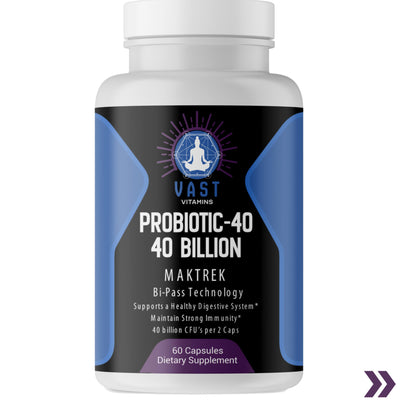
- A quality probiotic supplement may complement dietary changes, though fermented foods and prebiotic fiber have the stronger evidence base.
Source: PMC10867509 (2024) — serotonin-probiotics-gut health axis review.
5. Sleep Hygiene ★★☆ (Moderate Evidence)
Serotonin and sleep share a bidirectional relationship — each affects the other in a continuous loop. Serotonin is the direct biochemical precursor to melatonin (the sleep hormone). When serotonin is low, melatonin production is impaired, which disrupts sleep. And when sleep is chronically disrupted, serotonin receptor density falls over time — meaning the same amount of serotonin produces less effect.
Chronic sleep deprivation is, in effect, a serotonin drain.
Practical guidance:
- 7–9 hours per night is the consistent recommendation for adults — not as a guideline, but as a physiological requirement for adequate receptor recovery.
- Keep a consistent sleep/wake schedule, including on weekends. The circadian clock responds to regularity more than to total hours alone.
- Avoid bright screens (especially blue light) for at least one hour before bed — blue light suppresses melatonin production and delays sleep onset.
- A dark, cool bedroom (around 65–68°F / 18–20°C) supports deeper sleep stages.
This method connects directly with the sunlight method above: morning bright light and evening darkness are two sides of the same circadian coin. Getting both right reinforces the serotonin-melatonin cycle in both directions.
For more on natural sleep support, see our guide to natural insomnia treatments.
6. Stress Reduction and Mindfulness ★★☆ (Moderate Evidence)
Chronic stress directly impairs serotonin production through two mechanisms. First, elevated cortisol (the primary stress hormone) interferes with tryptophan transport and serotonin synthesis. Second, chronic stress over-activates the kynurenine pathway mentioned above — diverting tryptophan away from serotonin toward inflammatory byproducts.
The result: the more chronically stressed you are, the harder it becomes to maintain healthy serotonin levels, regardless of diet or exercise.
Evidence for specific interventions:
- Massage therapy: A 2012 RCT found that two 20-minute massage sessions per week over approximately four months increased serotonin levels in women with depression during pregnancy.
- Meditation and mindfulness: Multiple studies associate regular meditation practice with improved serotonin-related biomarkers and significant reductions in anxiety — though direct brain serotonin measurements are technically difficult to obtain in living humans.
- Forest bathing (Shinrin-yoku): A small study of 53 middle-aged women found significant increases in serotonin levels after forest therapy sessions — an interesting emerging finding, though replication in larger trials is needed.
Practical guidance: consistency matters more than session length. Ten minutes of daily mindfulness practice is more effective than occasional hour-long sessions. Activities that combine physical movement with a mindfulness component — yoga, tai chi, walking in nature — may stack the exercise and stress-reduction benefits simultaneously.
7. Supplements: 5-HTP, Tryptophan, and Others ★★☆ (Moderate Evidence)

Important safety warning: Do NOT combine 5-HTP or St. John's Wort with SSRIs, SNRIs, MAOIs, tramadol, or any other serotonergic medication. This combination can cause serotonin syndrome — a potentially life-threatening condition. Always consult your doctor before taking any serotonin-affecting supplement if you are on prescription medication.
5-HTP (5-hydroxytryptophan) is the direct precursor to serotonin. Unlike dietary tryptophan, 5-HTP does not compete with other amino acids for the blood-brain barrier transporter — it crosses readily, with approximately 70% oral bioavailability. It is derived from the seeds of Griffonia simplicifolia, a West African plant.
Evidence for 5-HTP:
- Sleep: Evidence is strongest here. A 2023 RCT (PubMed 38309227) found 5-HTP supplementation improved sleep quality and gut microbiota composition in older adults.
- Mood and depression: Mixed but present. A 1998 clinical review by Birdsall (PubMed 9727088) identifies 5-HTP as a clinically effective serotonin precursor, with results for depression in some trials. A later review (PMC3415362) notes the evidence for depression is less consistent — more research is needed before it can be recommended as a standalone treatment for clinical depression.
- Anxiety and appetite regulation: Several studies show promising results; evidence is moderate rather than strong.
Typical 5-HTP dosage guidance:
- Start at 50 mg/day to assess tolerance before increasing.
- Depression-focused studies typically used 200–300 mg/day.
- Sleep-focused protocols commonly use 100 mg before bed.
- Maximum studied range: up to 300 mg/day for up to one year.
- Take with a meal to reduce gastrointestinal side effects (nausea is the most common).
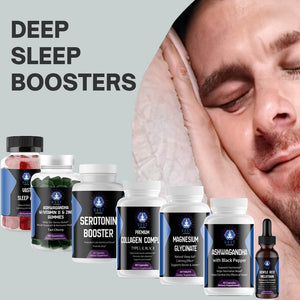
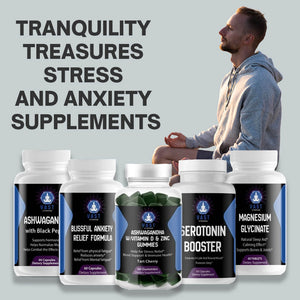
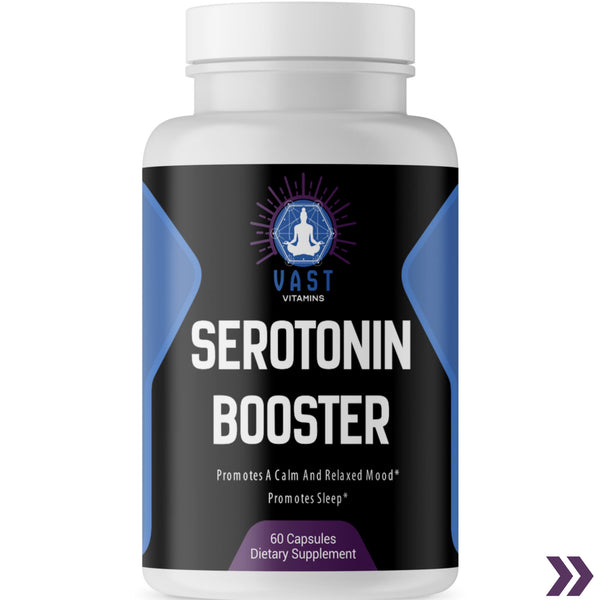
If you are considering a 5-HTP supplement, our Vast Vitamins Serotonin Booster capsules combine 5-HTP (from Griffonia simplicifolia) with calcium. Start at the lower end of the dose range and do not use alongside any serotonergic prescription medication without physician approval.
Other supplements with serotonin-supporting evidence:
- L-Tryptophan — the direct amino acid precursor; effective but competes with other amino acids (unlike 5-HTP).
- SAMe (S-adenosyl methionine) — involved in neurotransmitter synthesis; modest evidence for depression.
- Magnesium — cofactor in serotonin synthesis; deficiency is common and may impair serotonin production.
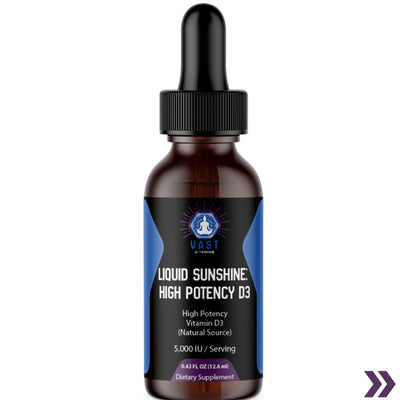
- Vitamin D — low vitamin D is consistently associated with low serotonin; many studies show mood improvements with supplementation in deficient individuals.
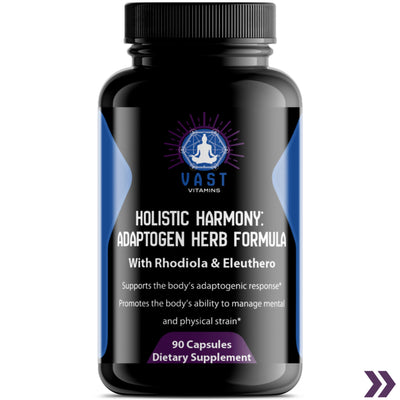
- Rhodiola rosea — adaptogen with emerging evidence for mood and stress; serotonin-modulating mechanism proposed but not fully confirmed.
Note that supplements work best as a complement to the lifestyle factors above — not as a substitute for them. For a deeper review of the evidence, see our article on 5-HTP benefits and side effects.
For a broader look at options, see our guide to natural anxiety supplements.
Source: Birdsall TC, 1998; PMC3415362; Examine.com — 5-HTP; Mayo Clinic — Serotonin syndrome.
When to See a Doctor

The seven methods above are appropriate for supporting subclinical symptoms and general mood wellness. They are not a substitute for clinical care if you are experiencing clinical depression, generalized anxiety disorder, PTSD, or other diagnosed conditions.
Consult a healthcare provider if:
- Symptoms have persisted for more than two weeks
- Low mood, anxiety, or sleep disruption is affecting your work, relationships, or daily functioning
- You have any thoughts of self-harm — seek care immediately
- You are considering adding 5-HTP, St. John's Wort, or any other serotonergic supplement to an existing prescription medication regimen
- You are pregnant or breastfeeding (insufficient safety data for most serotonin supplements)
A note on serotonin testing: A common misconception is that a blood test can measure whether your brain serotonin is low. This is not accurate. Blood tests measure serotonin in the bloodstream (primarily from platelets and gut), which does not reflect brain serotonin levels. No reliable clinical test exists for measuring brain serotonin in living patients. If you are concerned, a mental health evaluation with a licensed clinician is far more informative than any lab test.
On antidepressants: SSRIs and SNRIs have substantially stronger clinical evidence for moderate-to-severe depression than any natural supplement. If a clinician recommends medication, that recommendation is grounded in a significantly larger body of evidence than lifestyle interventions alone can provide at the moderate-to-severe end of the spectrum.
Serotonin syndrome warning: Serotonin syndrome occurs when serotonin activity in the nervous system becomes dangerously elevated — most commonly when two or more serotonin-affecting drugs or supplements are combined. Symptoms range from mild (shivering, diarrhea, headache, dilated pupils) to severe (muscle twitching, rigidity, high fever, rapid heartbeat, confusion, seizures).
Severe cases are medical emergencies. The most common trigger is combining 5-HTP or St. John's Wort with a prescribed SSRI or SNRI. If you develop these symptoms after starting any new supplement or medication, seek emergency care immediately.
Source: Mayo Clinic — Serotonin Syndrome: Symptoms and Causes.
Try Vast Vitamins Serotonin Booster
Our Serotonin Booster capsules combine 5-HTP (derived from Griffonia simplicifolia) with calcium to support calm mood, restful sleep, and everyday stress management.
Frequently Asked Questions
Can you actually boost serotonin naturally?
Yes — exercise and bright light have the strongest clinical evidence for raising brain serotonin levels without medication. A landmark 2007 review by neuroscientist Simon Young identified both as producing measurable serotonin increases through well-understood mechanisms. Dietary changes, gut health support, sleep optimization, and stress reduction also contribute, though with somewhat less direct evidence.
What foods increase serotonin the fastest?
No food directly delivers serotonin that reaches the brain — serotonin cannot cross the blood-brain barrier. What you can do is eat tryptophan-rich foods paired with carbohydrates, which improves tryptophan's ability to reach the brain. Good options include turkey, salmon, eggs, and tofu alongside complex carbohydrates like rice or sweet potato. The carbohydrate pairing is the often-missed key.
How quickly does exercise raise serotonin?
Serotonin release begins during the exercise session itself — you can feel it as an acute mood lift during or shortly after a workout. However, the most durable mood and anxiety benefits develop with consistent practice over weeks. A single session helps; a habit is what produces sustained change.
Is 5-HTP safe to take every day?
5-HTP is generally considered safe at 50–300 mg/day for short-to-medium term use in healthy adults, based on available clinical data. The most important caveat: 5-HTP must not be combined with SSRIs, SNRIs, MAOIs, tramadol, or St. John's Wort — the combination risks serotonin syndrome, a potentially life-threatening condition. Always consult your doctor before starting 5-HTP if you take any prescription medication.
Can low serotonin cause anxiety?
Yes — low serotonin is associated with increased anxiety, irritability, and heightened stress sensitivity. Serotonin plays a key role in regulating fear responses, and serotonin-boosting medications (SSRIs) are first-line treatments for generalized anxiety disorder, social anxiety, and OCD. The relationship is complex and bidirectional — anxiety itself can deplete serotonin over time.
Does sunlight actually increase serotonin?
Yes — bright light (above approximately 1,000 lux) directly stimulates serotonin synthesis in the brain. This is the primary reason seasonal affective disorder responds to light therapy using 10,000-lux boxes, and why mood often drops in winter in proportion to reduced daylight rather than just temperature. Outdoor sunlight easily exceeds the threshold required; indoor lighting typically does not.
What is serotonin syndrome?
Serotonin syndrome is a potentially life-threatening condition caused by excess serotonin activity in the nervous system, most often triggered by combining two or more serotonin-affecting drugs or supplements. Symptoms range from mild (shivering, diarrhea, headache, dilated pupils, muscle twitching) to severe (muscle rigidity, high fever, rapid heartbeat, confusion, seizures). It requires immediate medical attention. The most common supplements implicated are 5-HTP and St. John's Wort when combined with prescribed antidepressants.
Can probiotics help with serotonin and mood?
Emerging research suggests that a healthy gut microbiome supports serotonin production — since approximately 90–95% of the body's serotonin is produced in the gut, this makes biological sense. A 2024 systematic review found that probiotics may promote serotonin signaling through multiple gut-brain mechanisms. Human clinical evidence is growing, though effect sizes are still being established. Fermented foods and prebiotic fiber currently have the strongest dietary evidence for supporting gut-derived serotonin.
Sources
- Young SN. How to increase serotonin in the human brain without drugs. J Psychiatry Neurosci. 2007;32(6):394–399. PMC2077351
- Birdsall TC. 5-Hydroxytryptophan: a clinically-effective serotonin precursor. Altern Med Rev. 1998;3(4):271–280. PubMed 9727088
- Jacobsen JPR et al. The 5-HTP story: efficacy and contraindications. PMC3415362
- Serotonin-probiotics-gut health axis: a systematic review. 2024. PMC10867509
- Cunha MP et al. Exercise increases tryptophan availability to the brain in older men. PubMed 2012. PubMed 22051569
- Exercise and the brain's serotonergic systems. PMC5649871
- StatPearls — Physiology, Serotonin. NCBI Bookshelf. NBK545168
- Cleveland Clinic. Serotonin: What It Is, Function & Levels. Cleveland Clinic
- Medical News Today. 8 foods that boost serotonin. MNT 322416
- Medical News Today. Serotonin deficiency: signs, symptoms, and causes. MNT serotonin deficiency
- Examine.com. 5-HTP — Effects, Dosage, Safety. Examine.com/5-htp
- Mayo Clinic. Serotonin syndrome — Symptoms and causes. Mayo Clinic
These statements have not been evaluated by the Food and Drug Administration. This product is not intended to diagnose, treat, cure, or prevent any disease. The information in this article is intended for educational purposes only and is not a substitute for professional medical advice, diagnosis, or treatment. Always consult a qualified healthcare provider before making changes to your supplement regimen, particularly if you take prescription medication.