













Is It Time to Support Your Body's Detox? 10 Signs — and What Science Actually Says

Persistent fatigue that sleep doesn't fix, skin that keeps breaking out no matter what you try, digestion that's been off for weeks. These are real signals worth paying attention to — and they often share a common thread: your liver, kidneys, and gut are under more strain than they can comfortably handle. These are the classic time to detox signs that search results are full of, but most of what you'll find frames them incorrectly.
Here's what they actually mean — and why a 7-day juice cleanse isn't the answer.
Key Takeaways
- Your liver and kidneys detoxify your body continuously — there is no "buildup" that a cleanse will flush away
- The symptoms in this list are real, but they signal lifestyle factors (diet, sleep, alcohol, stress) that are under your control
- Evidence shows that specific lifestyle changes — not commercial cleanses — genuinely support your body's natural detoxification processes
Table of Contents
- What Your Body Is Actually Doing
- 10 Signs Your Body May Need Better Lifestyle Support
- Do Detox Cleanses Actually Work? The Honest Answer
- How to Actually Support Your Body's Natural Detoxification
- What to Expect When You Change Your Habits
- When These Signs Mean You Should See a Doctor
- Frequently Asked Questions
What Your Body Is Actually Doing (and Why "Toxins" Is Complicated)

Before interpreting any symptom as a "detox sign," it helps to understand what detoxification actually is — because your body is already running it around the clock.
The liver operates a two-stage process. Phase 1, driven by cytochrome P450 (CYP450) enzymes, modifies incoming compounds — alcohol metabolites, drug residues, environmental pollutants — to make them water-soluble. Critically, some Phase 1 intermediates are more reactive than the original compound, which is why Phase 2 must follow promptly.
Phase 2 neutralizes those intermediates through conjugation pathways: glucuronidation, sulfation, glutathione conjugation, and methylation. The end products are then excreted by the kidneys (via urine) or the biliary system (via stool). A peer-reviewed review published in PMC outlines in detail how dietary inputs — particularly cruciferous vegetables — activate these pathways.
The kidneys filter roughly 200 liters of blood every day, removing metabolic waste, excess minerals, and water-soluble toxins. The skin handles a small fraction via sweat. And during deep sleep, the brain runs its own waste-clearance system — the glymphatic system — which flushes metabolic byproducts through cerebrospinal fluid. Human imaging studies have confirmed this process, and sleep deprivation is its biggest impairment.
The word "toxins" in supplement marketing is intentionally vague. The substances your body actually processes are specific: alcohol metabolites, drug metabolites, persistent organic pollutants (POPs) like PCBs and pesticides that can accumulate in fatty tissue, and endocrine-disrupting chemicals (EDCs) like BPA and phthalates that the WHO recognizes as a genuine hormonal concern.
"Toxin buildup" as a measurable, diagnosable condition does not exist in clinical medicine.
The right question is not "do I have toxins?" — it's "are my detoxification organs getting the resources they need to function optimally?"
10 Signs Your Body May Need Better Lifestyle Support
The following signs are real and worth taking seriously. They do not indicate "toxin overload" — a term with no clinical definition. They indicate that your liver, kidneys, gut, or skin may be under strain from lifestyle inputs: poor diet, inadequate sleep, high alcohol load, chronic stress, or dehydration. These are things you can address directly.
Evidence rating key: ★★★ = multiple high-quality RCTs with consistent results | ★★☆ = solid evidence with some caveats | ★☆☆ = emerging evidence, shows promise but needs more research
1. Persistent Fatigue That Sleep Doesn't Fix ★★☆
When fatigue doesn't resolve after a full night's rest, it often signals systemic inflammation — and the liver is a primary contributor. Processing alcohol, ultra-processed foods, and certain medications generates metabolic intermediates that trigger inflammatory signalling. When this burden is sustained, chronic low-grade inflammation manifests as tiredness that sleep alone can't repair.
Poor sleep compounds this separately: the glymphatic system's overnight brain-waste clearance is impaired by fragmented sleep, creating a feedback loop where fatigue worsens both the liver's load and the brain's recovery.
Action signal: Audit your alcohol intake, sleep quality, and processed food load — not your supplement stack.
2. Skin Breakouts, Rashes, or Persistent Dullness ★★☆
The skin is an organ of elimination, and when the liver and kidneys are under strain, inflammatory markers can manifest dermally. The gut-liver-skin axis has real clinical backing: diet-driven acne (particularly from high glycemic foods and dairy) is well-supported by research, and gut microbiome dysbiosis is consistently linked to inflammatory skin conditions including acne and eczema.
When skin problems persist despite good topical care, the issue is often systemic — most commonly gut health and diet quality rather than anything a topical cream can fix.
Action signal: Look at diet composition, hydration, and gut health. Skin is often the last organ to show internal stress.
3. Digestive Problems: Bloating, Constipation, Irregularity ★★★

Gut health is central to liver health, and the gut-liver axis is one of the best-established links in functional medicine. Gut dysbiosis increases intestinal permeability, allowing lipopolysaccharides (LPS) — bacterial byproducts — to translocate into the portal vein and reach the liver directly, increasing its detoxification burden. Constipation means metabolic waste remains in contact with the gut wall longer, increasing reabsorption risk.
Fiber, hydration, and movement are the three primary levers. Laxative-based cleanses, by contrast, can cause dangerous electrolyte imbalances — the opposite of support.
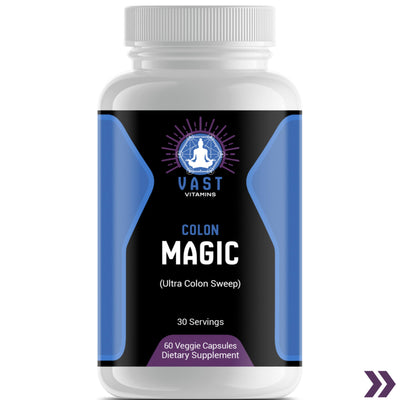
If ongoing digestive issues are a concern, supporting regular elimination with a gentle colon cleanse support capsule alongside increased fiber and water intake may help — though dietary changes remain the foundation.
4. Brain Fog and Difficulty Concentrating ★★☆
The brain is highly sensitive to systemic inflammation, and the gut-brain axis directly links gut dysbiosis to cognitive impairment. Beneficial gut bacteria produce short-chain fatty acids (SCFAs) that protect the blood-brain barrier; when dysbiosis reduces SCFA production, neuroinflammatory signals increase.
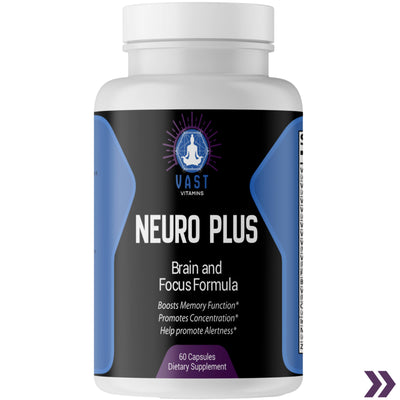
Two other well-documented drivers: dehydration (as little as 1–2% of body weight) measurably impairs attention and working memory, and sleep deprivation directly limits the glymphatic clearance that keeps the brain's metabolic environment clean.
For a deeper look at how gut health affects mental clarity, see our article on the gut-brain connection and how to support it.
5. Frequent Headaches ★★☆
Recurring headaches have several well-documented dietary triggers: dehydration, caffeine dependence (and the withdrawal that follows), blood sugar fluctuations from irregular eating, and sensitivity to tyramine or MSG in certain foods. None of these involve "stored toxins" — the mechanism is physiological, not accumulative.
One valid absorbed point from wellness literature: if you're currently reducing caffeine or refined sugar and experiencing headaches, that's a real and documented withdrawal phenomenon. Caffeine withdrawal headaches are well-established, typically peaking at 24–72 hours and resolving within a week. They are not evidence that "detox is working" — they're evidence of physical dependence adjusting.
6. Unexplained Weight Retention Despite Healthy Habits ★☆☆
Persistent organic pollutants (POPs) — PCBs, certain pesticides — are lipophilic and do accumulate in adipose tissue. This is an established phenomenon documented in environmental health research. Reducing dietary exposure through organic produce (prioritising the EWG Dirty Dozen list) and filtering drinking water are practical reduction measures.
That said: no supplement has demonstrated the ability to remove POPs from adipose tissue in human trials. The primary drivers of unexplained weight retention are energy balance, metabolic health, thyroid function, and hormonal factors — these warrant investigation by a doctor, not a cleanse.
7. Poor Sleep Quality ★★★
Sleep is arguably the most evidence-backed intervention for supporting the body's natural detoxification processes — yet it's almost entirely absent from "detox" content. The relationship is bidirectional: poor sleep impairs the glymphatic system's overnight brain-waste clearance, and accumulated inflammatory metabolic markers in turn disrupt sleep architecture.
Alcohol is a major sleep disruptor even at moderate amounts, suppressing REM sleep despite inducing initial drowsiness. Seven to nine hours of quality sleep is the threshold for adequate glymphatic function.
For evidence-based strategies to improve sleep quality, our guide to natural insomnia treatments covers the best-supported interventions.
8. Mood Changes, Irritability, or Low Motivation ★★☆
Approximately 90–95% of the body's serotonin is produced in the gut, making gut health a direct determinant of mood. Gut dysbiosis — caused by poor diet, high alcohol load, or antibiotic use — reduces beneficial bacteria and impairs serotonin production, contributing to low mood and irritability.
Endocrine-disrupting chemicals (EDCs) including BPA and phthalates are WHO-acknowledged environmental stressors that can affect hormonal signalling. Reducing EDC exposure is a practical preventive measure: switch to glass or stainless steel containers, avoid heating food in plastic, and reduce high-EDC cosmetic exposure. For more on the serotonin-gut relationship, see our guide to increasing serotonin naturally.
9. Frequent Colds or Sluggish Immune Response ★★☆
The liver plays a direct role in immune function, producing acute-phase proteins and clearing pathogens from the bloodstream. When the liver is under sustained dietary stress, immune response capacity can be reduced. Separately, approximately 70% of the body's immune tissue (gut-associated lymphoid tissue, or GALT) lines the gut — meaning gut dysbiosis directly undermines systemic immunity.
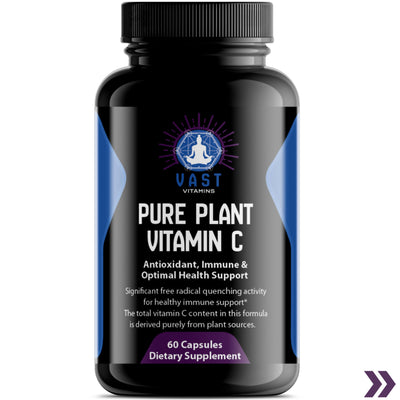
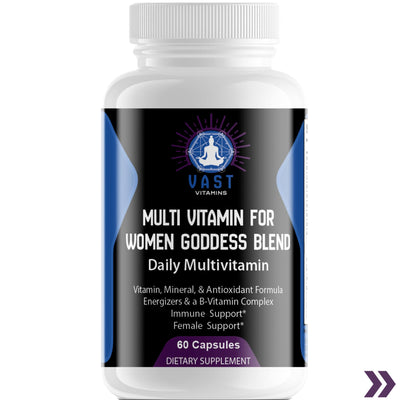
The practical levers: prioritise gut health, maintain adequate sleep (immune memory consolidation happens during sleep), manage chronic stress, and ensure adequate micronutrients — particularly zinc, vitamin C, and vitamin D. Supplementing thoughtfully can help bridge nutritional gaps, though whole-food sources should come first.
10. Persistent Bad Breath or Unusual Body Odour ★☆☆
The body exhales volatile organic compounds (VOCs), and gut dysbiosis can produce sulfur-containing compounds that contribute to breath odour. Some research suggests that the liver's metabolic state can alter breath composition — though this is a weaker signal compared to dental and gastrointestinal causes.
Persistent bad breath warrants ruling out dental disease, acid reflux, or sinus conditions first — these are far more common causes. If dental and GI sources have been excluded, gut health is a reasonable next consideration.
Do Detox Cleanses Actually Work? The Honest Answer

No. Not in the way they're marketed.
Johns Hopkins Medicine states directly that the liver does not need commercial "cleansing" — a healthy liver performs its own detoxification continuously. Multiple systematic reviews of commercial detox diets have found no good-quality scientific evidence for their claimed benefits. Texas A&M's HowdyHealth concludes that detox diets are unlikely to benefit health significantly and may cause harm.
The harms are specific and documented:
- Juice cleanses have been linked in case reports to acute kidney failure due to high oxalate content from raw greens
- Laxative-based cleanses can cause dangerous electrolyte imbalances (hyponatremia, hypokalemia) — particularly risky for anyone with cardiac conditions
- Severe caloric restriction during cleanses can trigger nutrient deficiencies and metabolic stress
- The "healing crisis" — the belief that feeling worse means the cleanse is working — has no scientific basis and can mask genuine adverse reactions
The reason people often feel better after completing a "detox" is not mysterious: they stopped drinking alcohol, stopped eating processed food, reduced refined sugar, started drinking more water, and went to bed earlier. Those are the active variables. As a liver specialist writing in The Conversation explains: remove the alcohol and the junk food, and you will feel better regardless of whether you're simultaneously drinking green juice. The juice is a bystander.
The weight loss seen during cleanses is almost always temporary water weight plus caloric restriction — not toxin removal. It returns when normal eating resumes.
What does have evidence is the underlying lifestyle pattern — which is covered in the next section.
How to Actually Support Your Body's Natural Detoxification
Rather than a protocol, think of this as a set of inputs your liver and kidneys require to function optimally. The science here is solid.
Prioritise Sleep (7–9 Hours)
Sleep is the single most evidence-backed lever. The glymphatic system clears metabolic waste from brain tissue primarily during deep sleep — human imaging studies confirm this. Liver regeneration and detoxification enzyme activity also peak during sleep. A consistent sleep and wake time matters at least as much as total duration.
Stay Consistently Hydrated
The kidneys filter roughly 200 liters of blood per day. Low water intake is associated with higher chronic kidney disease (CKD) risk in US cross-sectional data. The practical floor: 6–8 glasses daily, more in heat or during physical activity. No special "detox water" is required — plain water does the job.
Eat Cruciferous Vegetables Daily

Cruciferous vegetables — broccoli, cauliflower, Brussels sprouts, kale, watercress — contain glucosinolates that react with the enzyme myrosinase (released when the vegetables are chopped or chewed) to form sulforaphane. Sulforaphane activates the Nrf2 pathway, upregulating Phase 2 liver detoxification enzymes including glucuronidation and sulfation. Clinical studies cited in PMC show that 250g per day of Brussels sprouts or broccoli measurably increased Phase 2 enzyme activity in human participants. This is real, food-based liver support with peer-reviewed evidence behind it.
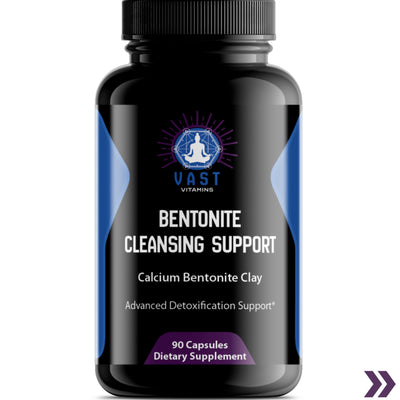
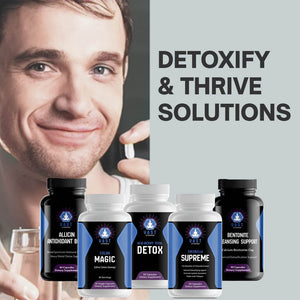
Target: 1–2 servings of cruciferous vegetables daily. If supporting your natural elimination processes is a priority and you want additional supplemental support alongside these dietary changes, our Bentonite Cleansing Support capsules are formulated to complement the dietary and lifestyle approach outlined here.
Reduce Alcohol and Ultra-Processed Foods
This is the highest-impact single lever for most people. Alcohol is metabolised to acetaldehyde — classified as a Group 1 carcinogen by the IARC — creating direct Phase 1 enzyme burden on the liver. Even moderate alcohol intake disrupts gut microbiome balance and increases intestinal permeability. Ultra-processed foods drive NAFLD (non-alcoholic fatty liver disease) through systemic inflammation and gut dysbiosis. Reducing these two inputs simultaneously is more beneficial than any supplement programme.
Support Gut Health
The gut-liver axis is well-established: a healthy gut microbiome reduces LPS translocation to the portal vein, protecting the liver from unnecessary burden. Dietary fiber fermented by gut bacteria produces short-chain fatty acids that are both anti-inflammatory and liver-protective. Prebiotic fiber (onions, garlic, leeks, oats) and fermented foods (yogurt, kefir, kimchi) are practical daily tools. The gut-brain connection also means that supporting gut health has measurable mood and cognitive benefits beyond liver support alone.
Reduce Environmental Toxin Exposure
Reducing the input load on detoxification organs is a preventive lever that's often overlooked. Practical steps: choose glass or stainless steel containers over plastic (especially for hot liquids), prioritise organic versions of the EWG Dirty Dozen produce when budget allows, and reduce indoor VOC sources (synthetic fragrances, certain cleaning products, new paints).
For more practical guidance on implementing these changes as a daily habit, see our companion article on practical steps for supporting your body's detox organs.
Try Vast Vitamins Bentonite Cleansing Support
If you're looking to complement the dietary and lifestyle changes outlined in this guide, our Bentonite Cleansing Support capsules are formulated to support your body's natural elimination processes — not as a replacement for sleep, hydration, and diet, but as a complement to them.
What to Expect When You Change Your Habits (This Is Not a "Healing Crisis")
When you significantly reduce caffeine, alcohol, or refined sugar, your body goes through a genuine adjustment period. These symptoms are real — and they are signs of dietary adjustment, not "toxins leaving your body."
Common temporary adjustment symptoms:
- Headaches — particularly from caffeine reduction; typically peak at 24–72 hours
- Fatigue — the body is adjusting blood sugar regulation and microbiome composition simultaneously
- Food cravings — withdrawal from high-sugar, high-fat foods involves real behavioural and neurochemical adjustment
- Loose stools — increased fiber intake, different foods, and microbiome shifts alter bowel habits; this is normal and temporary
- Mild nausea — common during the first 2–3 days of significant dietary change
These symptoms typically resolve within 5–7 days. They are not evidence that a "healing crisis" is occurring — that concept has no scientific basis and can lead people to dismiss genuine adverse reactions as signs of progress. Symptom severity correlates with how dramatically you've changed your diet, not with how many "toxins" you had.
The adjustment timeline for improvements: most people notice better energy and digestion within 1–2 weeks of sustained changes. Skin typically takes 4–6 weeks. These reflect your body's natural repair cycles.
When These Signs Mean You Should See a Doctor

The signs covered above respond to lifestyle changes. The following symptoms are different — they are potential indicators of liver or biliary conditions that require medical diagnosis and should never be addressed with a supplement or cleanse.
See a doctor promptly if you experience any of the following:
- Jaundice (yellowing of the skin or whites of the eyes) — this is a liver emergency
- Dark urine or pale stools — may indicate liver or biliary obstruction
- Persistent right-side abdominal pain after eating — possible gallbladder or liver issue
- Fatigue lasting more than 2 weeks with no identifiable lifestyle cause
- Unexplained weight loss (not weight gain)
- Nausea or vomiting that doesn't resolve within 3–4 days
Do not attempt to address these symptoms with a detox programme. These require professional diagnosis. Always consult your doctor before starting any supplement protocol, particularly if you have existing liver, kidney, or cardiovascular conditions.
Frequently Asked Questions
Does your body actually accumulate toxins?
Your body handles toxin elimination continuously through the liver, kidneys, lungs, and skin. Specific substances — alcohol metabolites, drug metabolites, environmental pollutants like pesticides — are real and do accumulate if your organs are under sustained strain. However, the vague "toxin buildup" described in commercial detox marketing has no measurable scientific basis. The liver and kidneys are already working — the question is whether they have the dietary and lifestyle inputs they need to work optimally.
What is the fastest way to support liver health?
Reducing alcohol intake is the single fastest-impact change for most people, since alcohol is the primary dietary burden on the liver. Pairing this with increased cruciferous vegetable consumption (which activates Phase 2 detoxification enzymes) and improving sleep quality creates meaningful liver support within 1–2 weeks, according to a scientific review on dietary modulation of liver detoxification pathways.
Do juice cleanses remove toxins?
No. According to Johns Hopkins Medicine and multiple systematic reviews, commercial detox diets and juice cleanses have no proven benefit for a healthy liver and may cause harm, including electrolyte imbalances and kidney stress. The improvements people experience during a cleanse are almost always due to cutting out processed food and alcohol — not the cleanse itself.
What are the signs your liver may need support?
Persistent fatigue, skin breakouts, digestive issues, brain fog, and poor sleep can all signal that your liver and kidneys are working harder than usual due to lifestyle factors. Serious liver signs — jaundice, dark urine, right-side abdominal pain — require medical attention and should not be addressed with supplements.
How long does it take to notice improvements after changing diet?
Most people notice improved energy and digestion within 1–2 weeks of consistently improving sleep, hydration, diet quality, and alcohol reduction. Skin improvements typically take 4–6 weeks. These timelines reflect the body's natural adjustment and repair cycles — not a supplement protocol.
Is a detox diet safe?
It depends entirely on the method. Cutting out alcohol and processed food while eating more vegetables, drinking more water, and sleeping better is both safe and evidence-backed. Juice-only cleanses, extreme fasting, or laxative-based programmes carry documented risks: case reports link raw green juice cleanses to kidney failure from oxalate accumulation, while laxative-based approaches cause electrolyte imbalances. Healthline's review of detox diets summarises the safety evidence comprehensively.
What foods support liver detoxification?
Cruciferous vegetables — broccoli, cauliflower, Brussels sprouts, and kale — contain glucosinolates that activate Phase 1 and Phase 2 liver detoxification enzymes. Clinical studies show that 250g per day measurably increases detoxification enzyme activity. Other evidence-backed foods: garlic (sulfur compounds support glutathione conjugation), green tea (EGCG supports Phase 2), and berries (polyphenols reduce oxidative load). Staying adequately hydrated, limiting alcohol, and sleeping 7–9 hours are the other highest-impact interventions.
Can supplements help support detoxification?
Some supplements may support the body's natural elimination processes when used alongside evidence-based lifestyle changes. A 2023 study published in PMC found that a guided metabolic detoxification program increased antioxidant enzyme activity (superoxide dismutase) by 23% and glutathione S-transferase by 13%. However, supplements should complement — not replace — the foundational inputs of sleep, hydration, cruciferous vegetables, and reduced alcohol intake. Always consult your doctor before starting any supplement protocol, especially if you take medications.
For more on energy-supporting supplements that complement a lifestyle-focused approach, see our supplement guide.
These statements have not been evaluated by the Food and Drug Administration. This product is not intended to diagnose, treat, cure, or prevent any disease. The information in this article is for educational purposes only and is not a substitute for professional medical advice. Always consult your healthcare provider before making changes to your diet, lifestyle, or supplement routine — particularly if you have existing liver, kidney, or metabolic conditions.
Sources and References
- Hodges, R.E. & Minich, D.M. (2015). Modulation of metabolic detoxification pathways using foods and food-derived components: A scientific review with clinical application. Journal of Nutrition and Metabolism. PMC4488002
- Hanson, L.R. et al. (2023). A pilot study of a comprehensive metabolic detoxification program. PMC. PMC10181083
- Johns Hopkins Medicine. Detoxing your liver: Fact versus fiction. hopkinsmedicine.org
- Healthline. Do detox diets and cleanses actually work? healthline.com
- Texas A&M HowdyHealth. Do detox diets and cleanses work? howdyhealth.tamu.edu
- The Conversation. The truth about detoxes — by a liver specialist. theconversation.com
- Medical News Today. Does science support the claims made about detox diets? medicalnewstoday.com
- Environmental Working Group. Dirty Dozen. ewg.org