














Natural Insomnia Treatments: What the Evidence Actually Says

Key Takeaways
- Melatonin and magnesium have the strongest clinical evidence among sleep supplements — but dose and timing matter more than most people realize.
- CBT-I (cognitive behavioral therapy for insomnia) has the best overall evidence of any non-drug treatment and is considered first-line for chronic insomnia.
- Several popular remedies carry safety risks worth knowing before you try them — including kava (hepatotoxicity risk) and high-dose melatonin (5–10 mg).
Roughly 1 in 3 adults experience insomnia symptoms, and the majority want to avoid prescription sleep medication if they can. That's a reasonable position. But "natural remedies" covers a huge range — from supplements with multiple high-quality randomized controlled trials behind them to fringe approaches with almost no evidence at all.
This guide cuts through the noise. Every major natural insomnia treatment covered below is ranked by the strength of actual clinical evidence, so you know which approaches are worth your time and money — and which ones to skip. If you've already tried the basics and want to know what actually works, you're in the right place.
The short answer: yes, several natural sleep treatments have solid research behind them. The key is knowing which ones, at what dose, and when to take them.
Understanding What's Driving Your Insomnia
Insomnia is a symptom, not a single condition. Sleep onset difficulty (trouble falling asleep), sleep maintenance difficulty (waking throughout the night), and early morning waking are three distinct problems with different mechanisms — and they often respond to different interventions.
The most common drivers include:
- Stress and anxiety — the most prevalent cause in working adults; a racing mind at bedtime is the defining feature
- Poor sleep hygiene — inconsistent schedule, blue light exposure, caffeine timing, alcohol use
- Circadian rhythm disruption — shift work, irregular schedules, jet lag
- Medical conditions — sleep apnea, restless leg syndrome, chronic pain, GERD
- Medications — many common drugs (beta blockers, SSRIs, decongestants, corticosteroids) interfere with sleep
Why does the driver matter? Because different root causes respond to different approaches. The supplements that work best for anxiety-driven insomnia are not the same ones that address circadian disruption or sleep maintenance issues. This guide flags which treatments work best for which type throughout. For context on what chronic sleep loss actually does to your body, see our guide to signs of sleep deprivation.
Is Your Insomnia Acute or Chronic?
Acute insomnia lasts less than three months and is usually tied to a specific stressor — a work deadline, relationship conflict, or life change. It often resolves on its own once the stressor passes.
Chronic insomnia occurs three or more nights per week for more than three months. For chronic insomnia, CBT-I (cognitive behavioral therapy for insomnia) is the evidence-backed first-line treatment — not supplements. Supplements can support recovery alongside CBT-I, but they're not a substitute for addressing the underlying behavioral and cognitive patterns.
For acute or situational insomnia, targeted supplements and sleep hygiene improvements are a fully reasonable first step.
The Anxiety-Insomnia Overlap

Anxiety-driven insomnia deserves its own category — it's the most common subtype in working adults and it requires a different approach from other forms of insomnia.
When anxious thinking is driving your sleeplessness, sedative supplements aren't always the right tool. The problem isn't that your brain lacks a "sleep signal" — it's that an overactivated stress response is overriding the signal. This is where calming the nervous system matters as much as supporting sleep onset directly.
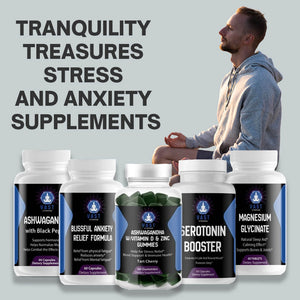
L-theanine, ashwagandha, and magnesium all address this anxiety-insomnia intersection, each through slightly different mechanisms. We've flagged this throughout the supplement sections below.
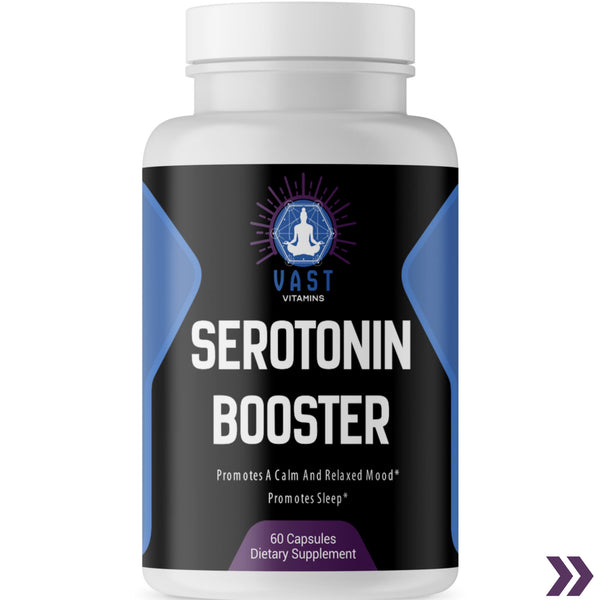
For a broader look at managing anxiety-related sleep disruption, our guide to natural anxiety supplements covers the full landscape. And for the serotonin pathway specifically — which connects anxiety, mood, and sleep — see our guide on how to increase serotonin naturally.
Sleep Hygiene First: The Foundation That Makes Everything Else Work

Sleep hygiene isn't the whole answer — if it were, you wouldn't be reading this. But it is the multiplier. Supplements work significantly better when the behavioral basics are in place. Think of sleep hygiene as the platform everything else builds on.
The most evidence-backed behavioral interventions:
- Consistent sleep/wake time — the single most important circadian anchor. Going to bed and waking at the same time every day (including weekends) trains your body's internal clock more effectively than any supplement.
- Light exposure management — bright light in the morning reinforces your circadian rhythm; darkness (or blue-light blocking) for 2 hours before bed protects melatonin production. Blue light from screens suppresses melatonin significantly.
- Bedroom temperature: 65–68°F — research consistently identifies this range as optimal for sleep onset. Your body needs to drop its core temperature ~1°F to initiate sleep; a cooler room accelerates this.
- The caffeine half-life rule — caffeine has a half-life of roughly 5–7 hours. A 3 PM coffee still has half its caffeine in your system at 9 PM. Most people underestimate their caffeine load; hidden sources include chocolate, some teas, "decaf" coffee, and pre-workouts.
- The alcohol misconception — alcohol helps you fall asleep faster, but it fragments the second half of the night. It suppresses REM sleep and increases middle-of-night awakenings once it metabolizes. It's a net negative for overall sleep quality.
- Exercise timing — recent evidence has overturned the old "no exercise within 3 hours of bed" rule for most people. Moderate exercise is generally fine even in the evening. What disrupts sleep is high-intensity vigorous exercise ending within 1–2 hours of your habitual bedtime.
Natural Sleep Supplements — Ranked by Evidence
The natural insomnia treatments below are ordered by the strength of available clinical evidence. Within each section you'll find the mechanism, key study data, dosage guidance, and the specific type of insomnia each one works best for.
Evidence rating key: ★★★ = multiple high-quality RCTs with consistent results | ★★☆ = solid evidence with some caveats | ★☆☆ = emerging evidence, shows promise but needs more research
1. Melatonin ★★★ (Strong Evidence)
Melatonin is a hormone your brain produces naturally in response to darkness. Supplemental melatonin mimics this signal to help initiate sleep. It's one of the most studied sleep supplements in the world — and one of the most widely misused.
A 2024 systematic review and dose-response meta-analysis by Cruz-Sanabria et al. (Journal of Pineal Research), covering 26 RCTs, confirmed that melatonin reduces sleep onset latency and increases total sleep time. The reviewed doses ranged from 0.5 mg to 10 mg.
Here's the critical dosage insight most people miss: more is not better. The vast majority of melatonin products sold over the counter contain 5–10 mg per dose — 5 to 20 times higher than what clinical research shows to be effective.
Studies consistently demonstrate that 0.5–1 mg is sufficient for sleep onset, with diminishing returns at higher doses. High doses don't produce better sleep; they just stay in your system longer and may cause morning grogginess.
Best timing: 30–60 minutes before your desired bedtime. For circadian phase-shifting (jet lag, shift work), some research suggests dosing 2–3 hours before your target bedtime for maximum effect.
Best for: sleep onset difficulty (trouble falling asleep), jet lag, shift work adjustment. Less evidence for sleep maintenance (staying asleep) — that's where magnesium tends to outperform.
Safety: Generally safe short-term. Long-term use research is limited. Can cause daytime drowsiness at high doses; avoid driving until you know how you respond.
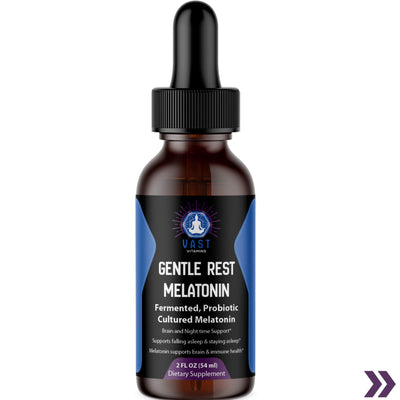
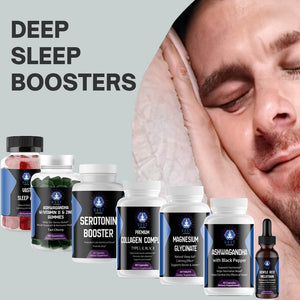
Because liquid melatonin allows precise, adjustable dosing, it's particularly useful for finding your personal optimal dose — especially if you're starting at the lower end. Our Gentle Rest Melatonin liquid drops make it easy to start at 0.5–1 mg and adjust from there.
2. Magnesium ★★★ (Strong Evidence)
Magnesium is an essential mineral involved in over 300 enzymatic reactions in the body — including the regulation of GABA receptors that promote relaxation and sleep. It also helps regulate cortisol, the stress hormone that keeps many people wired at bedtime.
The evidence for magnesium and sleep has strengthened considerably in recent years. A 2025 clinical trial (134 adults, 250 mg magnesium bisglycinate, 28 days) found significant improvements in Insomnia Severity Index scores versus placebo.
An earlier double-blind RCT in elderly adults (PMC3703169) showed improvements in sleep time, efficiency, sleep onset latency, and measurable reductions in cortisol and renin levels.
Form matters significantly. Magnesium glycinate (bisglycinate) is the preferred form for sleep: it has superior bioavailability over magnesium oxide, is gentler on the stomach, and the glycine amino acid component has independent sleep-supporting properties via NMDA receptor modulation.
An important context note: the evidence is strongest in people with low magnesium status at baseline — which is surprisingly common. Up to 48% of Americans consume less magnesium than the Recommended Daily Allowance from food alone, largely due to soil depletion in modern agriculture and diets heavy in processed foods.
If your magnesium intake is already adequate, the sleep benefit may be smaller.
Dosage: 200–400 mg of elemental magnesium glycinate, 30–60 minutes before bed. Do not exceed 350 mg/day from supplements (Food and Nutrition Board upper limit).
Best for: overall sleep quality, reducing middle-of-night waking, stress-related insomnia. Works well combined with melatonin — the combination addresses both sleep onset and sleep maintenance.
3. Valerian Root ★★☆ (Moderate Evidence)
Valerian root works by acting on GABA receptors — the same inhibitory pathway targeted by benzodiazepines (like Valium), but with a much weaker, non-habit-forming action. Think of it as a gentle signal to the nervous system that it's safe to wind down.
A 2024 comprehensive literature review (PMC11321869) found meta-analyses showing modest but meaningful improvements in subjective sleep quality (SMD: -0.70 vs. placebo). The honest caveat: study heterogeneity in dose and duration makes firm conclusions difficult. One systematic review even concluded valerian is "safe but probably not effective" — but this verdict reflects poor study design across the literature, not evidence of no effect.
Important timing note: valerian is not a fast-acting sleep aid. Most studies use consistent supplementation over 2–4 weeks before maximum benefit is observed. Don't judge it after a single night.
The valerian + hops combination has more consistent study support than valerian alone, with the combination modulating GABA, serotonin, and melatonin receptors together.
Dosage: 300–600 mg, 30–60 minutes before bed.
Safety: Generally well-tolerated. Mild side effects include headache, vivid dreams, and GI upset. Avoid combining with alcohol or sedative medications — additive central nervous system depression is possible.
4. L-Theanine + GABA Combination ★★☆ (Moderate Evidence)
L-theanine is an amino acid found naturally in green tea that promotes alpha brainwave activity — the mental state characterized as "relaxed but alert." For insomnia driven by a racing mind at bedtime, L-theanine addresses the problem at its source without causing sedation or grogginess.
A 2025 meta-analysis (PubMed 41176609) examined 19 articles with 897 participants using L-theanine as a standalone intervention and found significant improvements in subjective sleep onset latency, daytime dysfunction, and overall sleep quality scores.
A separate study (PMC6366437) found that combining GABA (700 mg/day) with L-theanine (200 mg/day) produced synergistic effects greater than either supplement alone, possibly through changes in GABA and glutamate receptor expression.
Key differentiator from other sleep supplements: L-theanine targets the anxiety-insomnia overlap specifically. It does not sedate — it quiets mental chatter and reduces hyperarousal, which is what blocks sleep onset in anxious people. This makes it compatible with staying functional if you wake in the night and need to tend to something.
Dosage: 100–200 mg, 30–60 minutes before bed. Safe to combine with melatonin or magnesium.
Safety: Excellent. No dependency risk, no morning grogginess, no drug interactions documented in healthy adults.
5. Tart Cherry / Tart Cherry Juice ★★☆ (Moderate Evidence)
Tart cherries are one of the few natural dietary sources of melatonin. They also contain tryptophan (a melatonin precursor) and anti-inflammatory compounds that may reduce one of the more underappreciated barriers to sleep — mild systemic inflammation.
Small studies cited in the 2024 herbal sleep review (PMC11321869) and a separate 2024 dietary supplements overview (PMC11082867) show modest improvements in sleep duration and efficiency with tart cherry consumption.
Practical dosage: 8 oz of tart cherry juice twice daily (morning + evening) as used in most studies. Concentrate form is also widely available. There is no established capsule dose — the research is food-based.
Honest framing: tart cherry is better understood as a dietary adjunct than a targeted supplement. The evidence is real but limited by small sample sizes and short study durations. Think of it as a valuable add-on to your sleep routine, particularly if you're already incorporating dietary approaches to sleep quality.
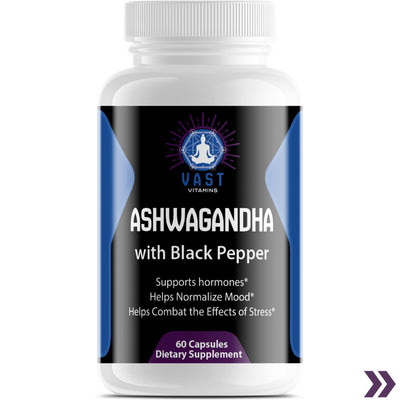
6. Ashwagandha ★★☆ (Moderate Evidence — Especially for Stress-Related Insomnia)
Ashwagandha is an adaptogen — it works on the stress axis, not the sleep system directly. By reducing cortisol and modulating the HPA (hypothalamic-pituitary-adrenal) axis, it addresses the stress-driven root cause of insomnia rather than acting as a sedative.
Multiple RCTs show improvements in sleep quality in adults with stress-driven sleep disruption. If your insomnia is clearly tied to anxiety, work stress, or elevated cortisol (difficulty winding down at night, waking in the early morning with anxious thoughts), ashwagandha targets the mechanism other sleep supplements don't reach.
It works less well for purely circadian insomnia or sleep apnea — it's not a one-size-fits-all solution.
Dosage: 300–600 mg of KSM-66 or Sensoril standardized extract, taken in the evening.
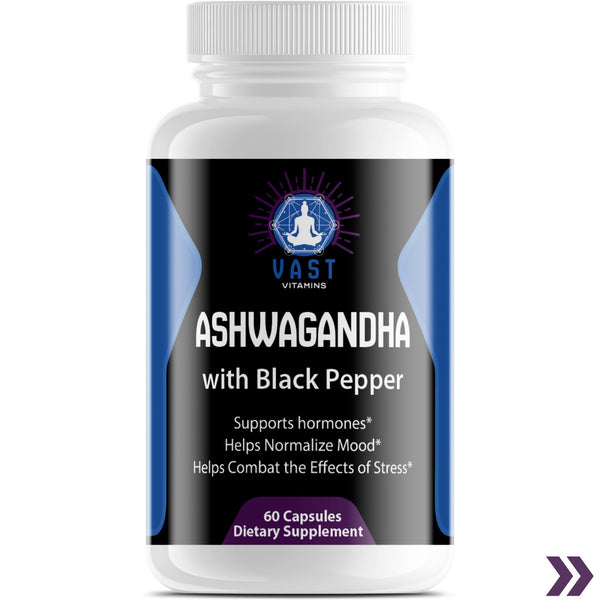
For a much deeper look at ashwagandha's sleep mechanism, study data, and dosage guidance, see our dedicated article on how ashwagandha supports sleep.
CBT-I — The Non-Supplement Approach with the Best Evidence

CBT-I (cognitive behavioral therapy for insomnia) has stronger long-term evidence than any supplement or sleeping pill for chronic insomnia. Multiple meta-analyses show it outperforms medication on long-term outcomes, with no side effects or dependency risk.
CBT-I addresses the behavioral and cognitive patterns that perpetuate insomnia — not just the symptoms. Components include sleep restriction therapy, stimulus control, cognitive restructuring (challenging the catastrophic thoughts that worsen insomnia), and sleep hygiene education.
The practical good news: CBT-I no longer requires expensive in-person therapy. FDA-cleared digital programs like Somryst and app-based options like Sleepio deliver CBT-I without a therapist.
The framing matters here: CBT-I and supplements are complementary, not opposed. For acute or occasional insomnia, targeted supplements are a reasonable first-line option. For chronic insomnia (3+ months, 3+ nights/week), supplements work best alongside CBT-I techniques — not as a standalone replacement.
Sleep Supplement Dosage Quick-Reference Table

No other resource in the top search results for natural insomnia treatments provides this information in a single, scannable table. Print it, bookmark it, use it.
| Supplement | Recommended Dose | Best Timing | Best For | Notes |
|---|---|---|---|---|
| Melatonin | 0.5–1 mg (start here; up to 3 mg) | 30–60 min before bed | Sleep onset, jet lag, shift work | Lower doses often work as well as higher; liquid form allows precise dosing |
| Magnesium glycinate | 200–400 mg elemental | 30–60 min before bed | Sleep quality, staying asleep, stress-related insomnia | Most effective when dietary magnesium is low (very common); glycinate form preferred |
| Valerian root | 300–600 mg | 30–60 min before bed | Sleep quality, relaxation | Takes 2–4 weeks of consistent use; do not combine with alcohol or sedatives |
| L-Theanine | 100–200 mg | 30–60 min before bed | Racing mind, anxiety-driven insomnia | Safe to combine with melatonin or magnesium; no sedation |
| Ashwagandha (KSM-66) | 300–600 mg | Evening | Stress-driven insomnia, high cortisol | Addresses root cause (HPA axis) rather than sleep directly; see ashwagandha for sleep for depth |
| Tart cherry | 8 oz juice twice daily | Morning + evening | Sleep duration, dietary melatonin support | Dietary approach; no established capsule equivalent dose |
These are general guidance ranges from clinical research. Always consult a healthcare provider before beginning any supplement regimen, particularly if you take prescription medications or have an existing health condition.
Supplements That Aren't Worth the Risk
Honest guidance includes telling you what to skip. These are not fringe concerns — they're documented issues that every insomnia article should address but almost none do.
Kava — Real Hepatotoxicity Risk
Kava is commonly listed in natural sleep and anxiety remedy articles. We do not recommend it. Kava carries a well-documented risk of hepatotoxicity (liver damage), confirmed in the 2024 PMC literature review. The FDA has issued a consumer advisory. Multiple countries have banned or restricted kava products. Several serious adverse events, including liver failure, have been reported.
Its sleep evidence is modest, and its risk-benefit ratio is unfavorable — particularly when better-evidenced and safer alternatives exist.
High-Dose Melatonin (5–10 mg+)
This one is worth repeating. High-dose melatonin products are everywhere. The Cruz-Sanabria 2024 meta-analysis found no meaningful advantage to doses above 1–3 mg for most adults. Higher doses don't produce deeper sleep — they stay in your system longer, may suppress your body's own melatonin production over time, and are more likely to cause next-day grogginess.
Start low. Titrate up only if needed. Most adults find their sweet spot between 0.5 and 2 mg.
Diphenhydramine (Benadryl / ZzzQuil)
Not a natural remedy, but it deserves mention because many people treat it as a gentle OTC sleep aid. Tolerance develops within days of regular use. In older adults, anticholinergic drugs like diphenhydramine are associated with cognitive effects including impaired memory and increased dementia risk with chronic use. Not recommended for regular use at any age.
When to See a Doctor About Insomnia

Natural approaches to insomnia work well for most cases. But some sleep problems are symptoms of conditions that need medical evaluation — not a supplement protocol. See a healthcare provider if:
- Insomnia has lasted more than 3 months and is affecting your daytime functioning, mood, or work performance
- You wake up gasping, snore loudly, or feel unrefreshed despite 7–8 hours — these are hallmark signs of sleep apnea, a medical condition requiring diagnosis and treatment (not a supplement issue)
- You experience an irresistible urge to move your legs at night, especially with uncomfortable sensations — this describes restless leg syndrome, which has specific medical treatments
- Your insomnia began alongside depression, anxiety disorder, or trauma — the sleep problem will likely not resolve until the primary condition is addressed
- You are pregnant or breastfeeding — most sleep supplements have not been adequately studied in pregnancy; avoid them without medical guidance
- You are taking prescription medications — valerian, melatonin, and magnesium can all interact with certain drugs; a pharmacist or physician can advise on your specific situation
Seeking medical guidance for these scenarios isn't giving up on natural approaches — it's being strategic about them. Many physicians who specialize in sleep medicine will recommend supplement protocols as part of a broader treatment plan once serious underlying conditions have been ruled out.
Try Vast Vitamins Sleep Aid Gummies
Formulated with natural sleep-support ingredients, our Sleep Aid Gummies are designed to help you fall asleep faster and stay asleep longer — without the grogginess of traditional sleep aids.
Frequently Asked Questions
What is the most effective natural sleep aid?
Melatonin and magnesium have the strongest evidence among sleep supplements, with multiple high-quality RCTs supporting both. Melatonin has the most trials — the 2024 Cruz-Sanabria meta-analysis (26 RCTs) confirmed it reduces sleep onset latency and increases total sleep time.
The "most effective" option depends on your specific insomnia type: melatonin for sleep onset, magnesium for sleep quality and maintenance, L-theanine for anxiety-driven racing mind.
How long does it take for melatonin to work?
Melatonin typically takes 30–60 minutes to reach peak effect after ingestion. Timing matters as much as dose — taking it too early or too late relative to your desired bedtime reduces effectiveness. For jet lag or circadian phase-shifting, some research suggests dosing 2–3 hours before your target bedtime for maximum impact. The Sleep Foundation's dosage guidance recommends starting at the lowest effective dose (0.5–1 mg) and adjusting timing before increasing dose.
Can I take melatonin and magnesium together?
Yes — melatonin and magnesium are safe to combine and are often taken together as a sleep stack. No clinically significant drug interaction has been documented between them. Melatonin targets sleep onset via circadian signaling; magnesium targets relaxation and GABA receptor activity. The combination addresses two different parts of the sleep problem, which is why many people find it more effective than either supplement alone. Safe for most healthy adults; consult a healthcare provider if you take prescription medications.
What helps insomnia when you can't turn your brain off?
L-theanine is the most targeted option for insomnia driven by a racing mind or anxious thinking at bedtime. It promotes alpha brainwave activity — the "relaxed but alert" state — without causing sedation. Ashwagandha addresses the same problem from a different angle: by lowering cortisol over time, it reduces the stress-hyperarousal that keeps the mind active after lights-out. Magnesium also calms the nervous system via GABA receptor support. For a broader guide to this type of insomnia, see our article on natural anxiety supplements — many of the best anxiety supplements have direct sleep benefits.
Is it safe to take sleep supplements every night?
Magnesium is safe for daily use indefinitely at recommended doses — it's an essential mineral with a well-established safety profile. Melatonin is generally considered safe for short-to-medium term daily use; long-term research is limited, though no serious safety signals have emerged. L-theanine has an excellent long-term safety record.
The more important question is whether nightly supplement use is addressing root causes. Supplements work best as tools within a broader sleep routine — not as the entire solution.
What foods help with insomnia?
Tart cherry, kiwi, fatty fish, and magnesium-rich foods have the best evidence for sleep support. Tart cherries are one of the few natural melatonin sources; kiwi improved sleep onset and duration in a four-week RCT. Magnesium-rich foods include spinach, pumpkin seeds, almonds, and black beans.
Tryptophan sources (turkey, chicken, eggs, Greek yogurt, walnuts) support the serotonin-melatonin pathway — pair them with complex carbohydrates for best uptake, since carbs clear the competing amino acids that otherwise block tryptophan's entry to the brain.
Do natural sleep remedies work as well as sleeping pills?
For acute or occasional insomnia, some natural insomnia treatments approach prescription efficacy without the dependency risks. For chronic insomnia (3+ months), CBT-I outperforms both prescription sleep medication and supplements on long-term outcomes.
Prescription sleeping pills carry significant risks: tolerance, dependency, rebound insomnia on discontinuation, and next-day cognitive impairment. Natural supplements like melatonin and magnesium do not produce physical dependency — and for most people with moderate insomnia, they're a substantially safer approach with meaningful real-world effectiveness.
When should I see a doctor about sleep problems?
See a doctor if your insomnia has lasted more than three months, or if you experience symptoms suggestive of sleep apnea or restless leg syndrome. Sleep apnea specifically is underdiagnosed — loud snoring, waking gasping, morning headaches, and feeling unrefreshed after adequate sleep hours are the warning signs.
No supplement addresses sleep apnea; it requires medical diagnosis and treatment. Also seek care if insomnia is clearly tied to depression, anxiety disorder, or trauma — treating the primary condition is what resolves the sleep problem. See the full list in our When to See a Doctor section above.
Sources
- Cruz-Sanabria F, et al. "Melatonin as a Chronobiotic and Chronobiotic-Hypnotic Agent: A Dose-Response Meta-Analysis of Randomized Controlled Trials." Journal of Pineal Research. 2024. PubMed
- Salas-Salvadó J, et al. "Herbal and Natural Supplements for Sleep — Comprehensive Literature Review." PMC11321869. 2024. PMC
- Magnesium Bisglycinate RCT, 2025 (134 adults, 28 days). PMC12412596. PMC
- Abbasi B, et al. "The effect of magnesium supplementation on primary insomnia in elderly: A double-blind placebo-controlled clinical trial." PMC3703169. 2012. PMC
- Dietary Supplements for Sleep Quality Overview. PMC11082867. 2024. PMC
- L-Theanine Meta-Analysis (19 articles, N=897). PubMed 41176609. 2025. PubMed
- Kim S, et al. "GABA and L-Theanine Mixture Decreases Sleep Latency and Improves NREM Sleep." PMC6366437. PMC
- Sleep Foundation. "Melatonin Dosage: How Much Should You Take?" sleepfoundation.org
- Sleep Foundation. "Natural Cures for Insomnia." sleepfoundation.org
- Alcohol and REM Sleep Review. PMC8511346. PMC
FDA Disclaimer: These statements have not been evaluated by the Food and Drug Administration. This product is not intended to diagnose, treat, cure, or prevent any disease. The information in this article is for educational purposes only and is not a substitute for professional medical advice. Always consult your healthcare provider before beginning any new supplement, especially if you have a medical condition, are pregnant or breastfeeding, or take prescription medications.